
Warhammer 40,000: Dark Heresy Lets Players Blame the Innocent—and Face the Consequences

- In Warhammer 40,000: Dark Heresy, the person you accuse may not be the person who did it, and Owlcat Games says that is by design.
- Senior narrative designer Veronika Larionova explained the Dark Heresy investigation system in an October 6, 2026, interview with PC Gamer.
- Players take the role of an acolyte of the Inquisition, an agent whose word, Larionova said, is treated as "undeniable truth."
In Warhammer 40,000: Dark Heresy, the person you accuse may not be the person who did it, and Owlcat Games says that is by design.
Senior narrative designer Veronika Larionova explained the Dark Heresy investigation system in an October 6, 2026, interview with PC Gamer. Players can accuse suspects before a case is complete, she said, and can even pin a crime on someone innocent.
Players take the role of an acolyte of the Inquisition, an agent whose word, Larionova said, is treated as “undeniable truth.”
Playing a detective is familiar ground for gamers. Rockstar’s 2011 L.A. Noire cast players as LAPD detective Cole Phelps, and a resurfaced sequel rumor put it back in the spotlight this year.
Accuse early, or keep digging
According to Larionova, players can accuse any suspect in a case as soon as they have logged evidence against that person in their investigative journal. A complete case is not always needed.
Keep investigating, though, and the picture can change. She said new evidence can add detail and proof to an accusation, or turn up evidence that clears the suspect.
Luck can play a part as well. Some cases need a full chain of deductions, she said, while in others a guess made on instinct can land on the right culprit.
When the wrong person takes the fall
Asked whether players could gain from deliberately pinning a crime on the wrong person or group, Larionova said such moments will happen, and that players should act on their own convictions or those of their patrons.
Verdicts can lead in different directions. Depending on the case, a choice may open a new story branch, earn a reward, change how NPCs feel about the player or, in some cases, unlock additional endings. Larionova framed these as choices with consequences rather than right or wrong answers.
Companions advise, players decide
Companions will share their expertise, help gather evidence in conversations with suspects and suggest other solutions, Larionova said. None of them can solve a mystery alone, however, and their advice is a personal opinion that players can follow or ignore.
Players also get tools, including a detective journal for sorting evidence and the Servo-Ossuarium, a device made up of servo-skull assistants that can track trails, intercept signals and analyze data, she said.
Not the first word on false accusations
The idea is not new. In a December 2, 2025 deep dive on the official game site, Owlcat said acolytes may falsify their reports and blame innocent people, either unintentionally through missing information or mistaken conclusions, or deliberately.
That article on the Dark Heresy investigation system also described examining crime scenes, studying witness statements and getting help from companions. The new interview adds detail on how accusations work and what they can lead to.
An Eisenhorn-sized burden
Larionova said the team leans toward the classic approach of the Dark Heresy tabletop RPG rulebooks, but was inspired by the story of Gregor Eisenhorn, whom she called an iconic figure in the Warhammer 40,000 universe.
She said fans of his story will be able to feel what it is like to carry responsibility and choices comparable to his. The discussion was about making Eisenhorn-style choices, not playing as Eisenhorn himself.
These details come from Owlcat’s descriptions of the game. Its full release is still pending, although a closed beta opened on May 21, 2026, for players who bought a Founder’s Pack through Owlcat’s website.
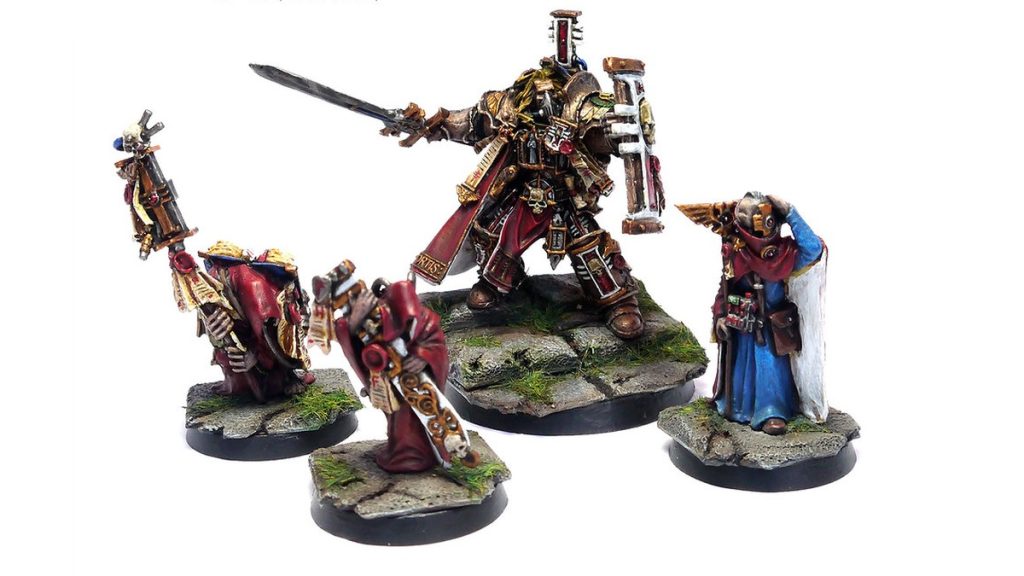
Featured image: Painted Warhammer 40,000 miniatures of an Inquisitor and his retinue. Illustrative image; not from Dark Heresy. Photo: Relaxdesign Minis / Flickr (CC BY 2.0)
