
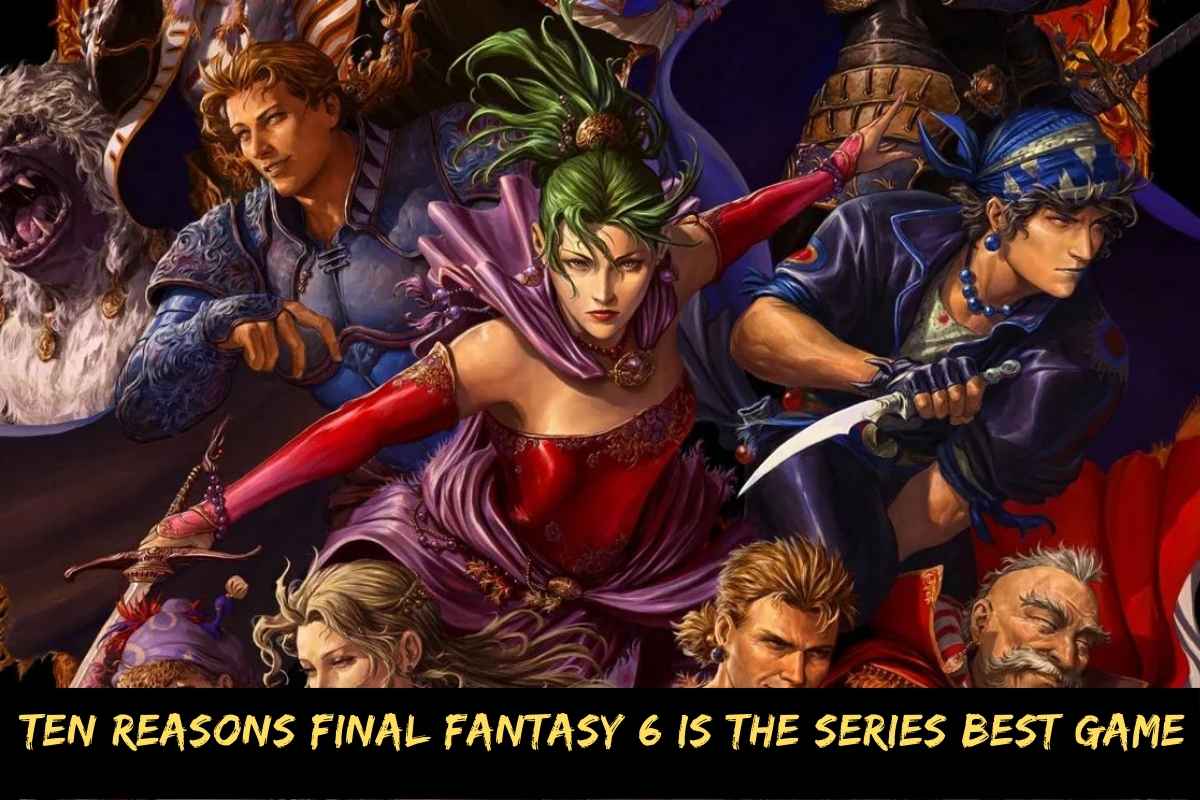
Final Fantasy VI, published in 1994 for the SNES, is considered the series’ greatest game. Final Fantasy VII is widely considered the series’ greatest entry. It featured polygonal visuals and innovative gameplay innovations like the Materia system and mini-games. VII was remade in 2020 to critical praise.
It came released when the West was finally embracing Japanese RPGs (JRPGs). VII attracted more U.S. gamers than previous iterations on less capable platforms. Fans have observed Final Fantasy VII’s flaws over time, whereas Final Fantasy VI has aged well.
This isn’t just another wild goose chase, it’s time to move out.
The Final Fantasy VI pixel remaster launches on Steam and Mobile on February 23rd PST/GMT. In the meantime, enjoy the rearrangement of Terra’s Theme in all its majesty.
Pre-order: https://t.co/MOlhSpxdED pic.twitter.com/Z4N9TD0bNE
— FINAL FANTASY (@FinalFantasy) February 9, 2022
Final Fantasy Vi Balanced Challenge And Freedom
As innovative as they were, 8-bit NES and Famicom Final Fantasy games are hard to go back to. Later GameBoy Advance adaptations tweaked the gameplay, but these early titles were grind-heavy with wandering missions. PS2 games gave gamers less flexibility and more CG sequences. Final Fantasy VI has the appropriate balance of exploration and danger from adversaries.
Final Fantasy VI’s Graphics Still Look Great
Final Fantasy VII’s graphics were praised upon release. It exploited the PlayStation’s improved capacity to offer spectacular CG sequences, pre-rendered backdrops, and animated polygonal characters. As games advance, such visuals appear dated. Time hasn’t been kind to the game’s low-poly models and static backdrops. Final Fantasy VI’s sprite-based graphics looked good in 1994 and still do.
Sabin’s Train Suplex
Each character in Final Fantasy VI has distinct powers. Locke can pickpocket, Cyan knows Swordtech, and Sabin can use Blitz. Sabin may utilize brute force to accomplish moves by pressing particular buttons. Sabin’s Suplex included slamming enemies to the ground. Phantom Train bosses are fair game. Final Fantasy VI’s ability to suplex a big train is one of its most famous elements.
Final Fantasy Vi Has A Great Translation.
Ted Woolsey divides the JRPG community. Many credit him for boosting video game translations from the 80s and overcoming Nintendo’s censoring standards. Detractors have attacked him for modifying too much of the original Japanese screenplay and speech. Final Fantasy VI keeps the original’s charm while introducing famous new aspects.
Final Fantasy Vi’s Twist Worked
The death of Aeris is often hailed as one of the best video game surprises ever, but it’s just fridging. Only helps to promote Cloud’s story and create cheap shock value. Final Fantasy VI’s dramatic surprise serves the game’s themes of optimism amid terrible times. The game’s villain destroys the globe, claiming countless lives. The heroes may start again after years in the apocalypse.
Final Fantasy Vi Did Much With Little Tech
Final Fantasy VI didn’t have voice acting, CGI sequences, or completely polygonal characters, yet it told a great narrative. Square’s 16-bit narrative skills brought many gamers to tears with Final Fantasy VI and Chrono Trigger. Final Fantasy XIII, Kingdom Hearts III, and Stranger in Paradise emphasize flare and anguish above sympathetic people and concepts. Tetsuya Nomura designs legendary figures but shouldn’t touch a keyboard.
Final Fantasy Vi Pushed Hardware Limits
VI was the final iteration to use sprite-based visuals before moving to 3D. The Super Nintendo game delivered a cinematic experience. From the Magitek suits to the Blackjack airship, the game uses Mode 7 to great advantage. The cartridge-based system couldn’t handle fully spoken characters, but Kefka’s chuckle stood out.
Final Fantasy’s Best Villain Was Kefka
Kefka is a hilarious, terrifying villain. He’s a cackling court jester-turned-homicidal deity who destroys the universe. He contrasts with moody, po-faced villains like Sephiroth or Seymour. Unlike previous Final Fantasy villains, Kefka has no sad past or misguided aspirations. He’s harsh, nihilistic, and loveless.
Final Fantasy Vi’s Soundtrack Was The Best
Final Fantasy VI’s operatic tone wouldn’t exist without Nobuo Uematsu’s music. These 16-bit SNES compositions will astonish players. “Maria & Draco” is one of the video game’s most memorable moments, with Undertale paying tribute to it. “Dancing Mad” is a powerful composition with numerous portions that change flawlessly throughout the last battle with Kefka.
Final Fantasy Vi’s Story Is The Best
Final Fantasy VI marked the series finale. It was the final numbered entry on a cartridge system, the last mainline installment on a Nintendo platform, and the last game to utilize in-game assets for cutscenes. Death and rebirth are obvious themes in Final Fantasy VI. Many characters lose loved ones in the game. They fail to defend their old world, but they battle to salvage what’s left and start again. The conclusion is bittersweet.
