
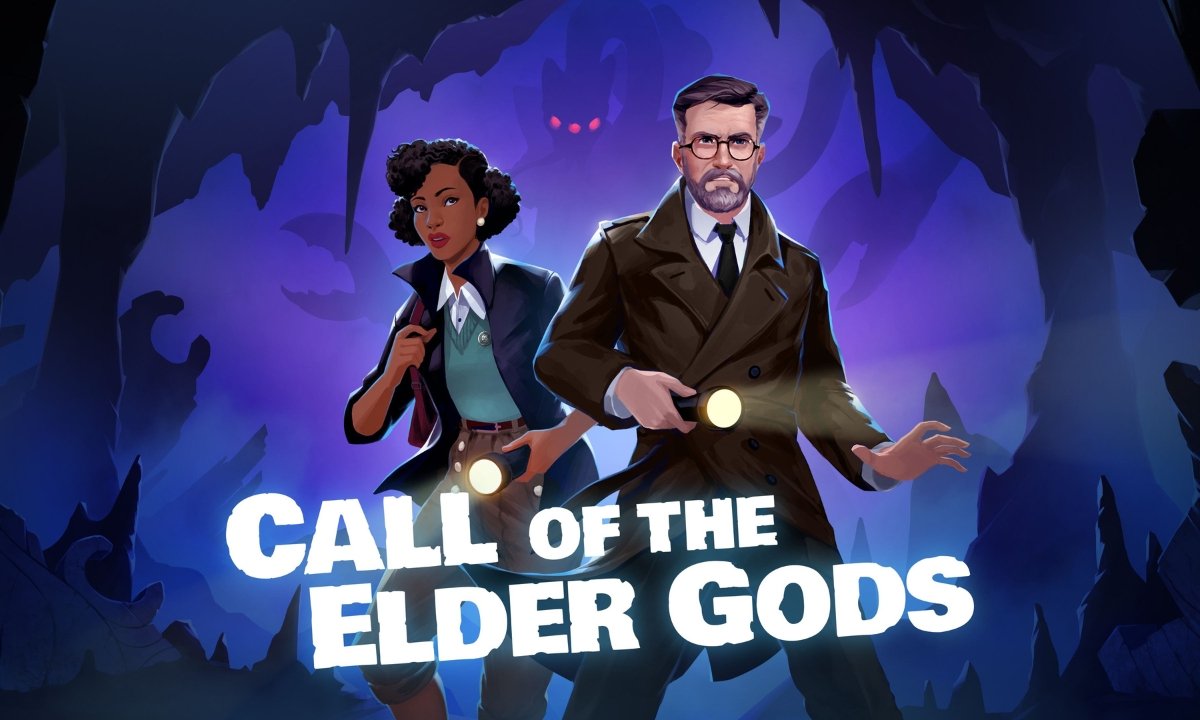

The short answer: Call of the Elder Gods is a confident, atmospheric puzzle-adventure sequel that succeeds on its own terms. Critics broadly agree that its puzzle design is one of the sequel’s strongest upgrades. Its narrative is divisive. Its presentation is stunning. If you know what you’re getting into — a deliberate, dialogue-heavy, first-person mystery with no combat — it delivers. If you came for a stronger story than Call of the Sea or expected horror action, you may be let down.
Call of the Elder Gods game launched on May 12, 2026, for PS5, Xbox Series X|S, Switch 2, and PC, with day-one availability on Game Pass.
What the critic consensus shows
I reviewed the main critic consensus on OpenCritic and several major published reviews available at the time of writing, including GameSpew, DualShockers, Creative Bloq, But Why Tho, Gamer Social Club, and InGameNews. At the time of writing, 15 critics had scored the game on OpenCritic. Among the listed reviews, Xbox Achievements sits at the lower end with 75%, while DualShockers is the most enthusiastic outlier at 10/10. What emerges is a game with one area of near-unanimous agreement — the puzzles — and one area of genuine disagreement: whether the story and world-building match what Out of the Blue delivered in Call of the Sea.
Story and setting: globe-trotting is a double-edged sword
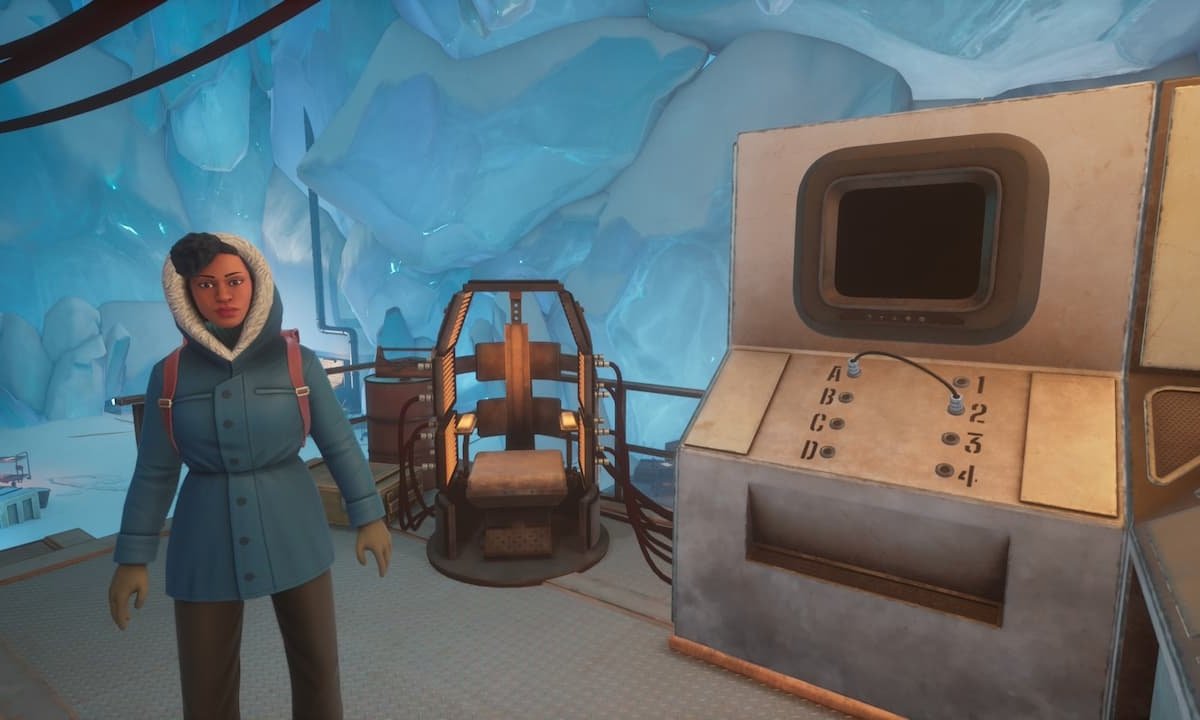
Call of the Elder Gods is set years after the events of Call of the Sea. You play as Evangeline Drayton, daughter of Frank Drayton from the original expedition, alongside the returning Professor Harry Everhart — Norah’s husband, now a grief-stricken, haunted man after losing his wife. Several reviews note that the sequel follows a specific ending from Call of the Sea, so returning players will get more out of the story. New players are provided recap support, but TheSixthAxis still recommends playing the original first.
Where Call of the Sea was rooted in one cohesive island, Call of the Elder Gods sends Harry and Evie across the world: Boston, Svalbard, Australia, an abandoned Nazi compound with eldritch experiments, and stranger places beyond. DualShockers drew direct comparisons to Lovecraft’s At the Mountains of Madness and The Call of Cthulhu for how it handles stone cities and expedition structure.
The divide in reviews is real. GameSpew and Creative Bloq both note that frequent location shifts produce a world that feels broader but less immersive than the first game. PSX Brasil and IGN Italy push back — IGN Italy called it “a surprisingly intimate and poetic lens” on Lovecraftian lore, praising its handling of grief and the afterlife. DualShockers went furthest, giving it 10/10 and calling the story “equal parts eerie, mysterious and altogether charming.”
The two lead characters earn consistent praise across the board. Harry’s grief and Evangeline’s cautious optimism are described as a compelling contrast, and their relationship builds into something genuinely affecting. But Why Tho specifically called out how their mutual dependency is the core emotional engine of the game.
Puzzles: the strongest element by consensus
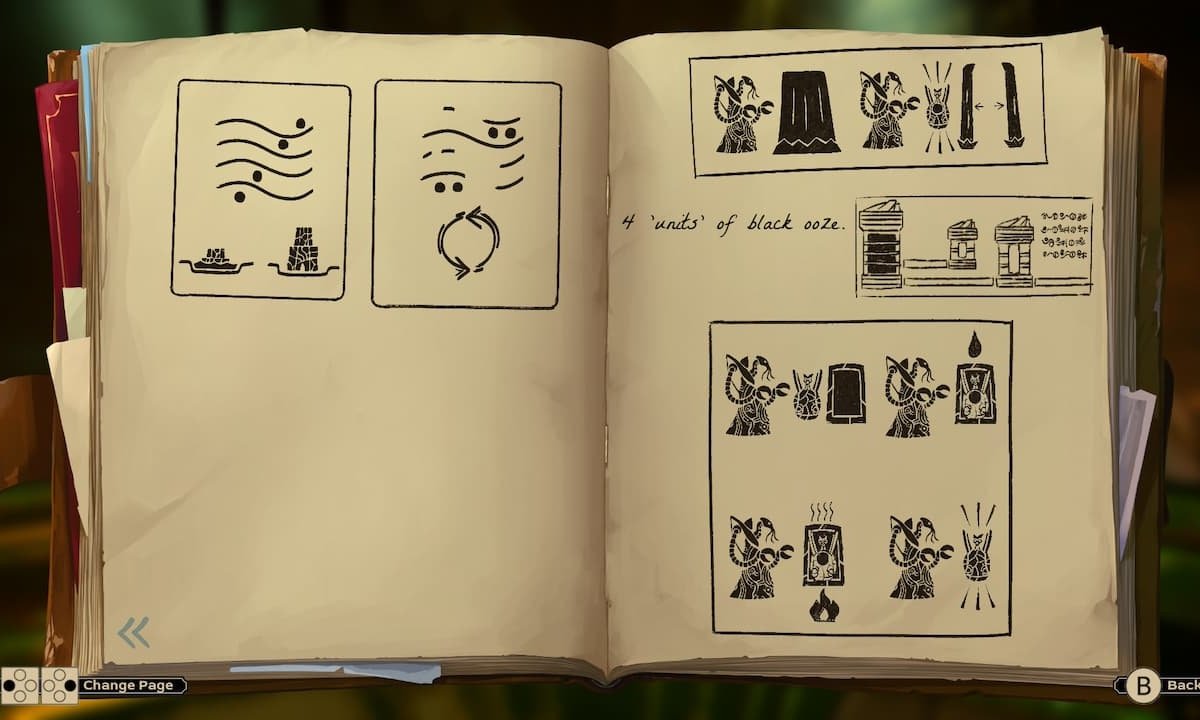
If one thing unites the major reviews, it’s the puzzle design — more layered than Call of the Sea’s object-based mechanics, more satisfying to complete, and more tightly tied to the Lovecraftian themes of the setting. Creative Bloq, whose review is headlined “brilliant puzzles buried inside an oddly cosy cosmic horror,” treats the design as the game’s primary achievement.
The hint system gets specific praise from GameSpew as a meaningful improvement over the first game, which had none. That said, GameSpew also notes the hint solutions aren’t always well-explained, and TheSixthAxis and GameMAG both flag individual puzzles that tip from challenging into obscure. The overall design is strong; the outliers are frustrating rather than satisfying. IGN Italy raised an additional structural concern most reviews didn’t: the dual-protagonist mechanic feels underutilized in practice despite being interesting on paper.
Presentation: widely praised, with a few caveats
The visual and audio presentation draws near-universal admiration. But Why Tho called the art style “gorgeously cartoonish” and praised the orchestral soundtrack. DualShockers described the environments as “breathtaking,” noting the team’s ability to generate uneasy dread while maintaining the whimsical warmth that defined Call of the Sea. The game runs on Unreal Engine 5, and Creative Bloq — reviewing the Xbox Series X|S version — cited “bold and colourful visual design” as a standout strength.
The recurring caveat is the 2D cutscene style. DualShockers found it “a tad outdated,” though stopped short of calling it a serious problem. DayOne described the cutscenes as feeling “out of place.” Outside of those cutscene complaints, the broader presentation is one of the most consistently praised parts of the game.
The full critic breakdown
DualShockers · 10/10 — Called it the “first great Lovecraft game of 2026.” Praised story, atmosphere, and presentation. Minor criticism of the 2D cutscene style.
PSX Brasil · 84/100 — Praised character writing, Lovecraftian setting, puzzle evolution, art direction, and soundtrack. Noted some visual technical limitations and demanding puzzles.
IGN Italy · 8/10 — Called it “mature and highly rewarding.” Flagged underutilized dual-protagonist mechanics and occasional puzzle stumbles.
COGconnected · 80/100 — Praised puzzle cleverness and hint system. Flagged pacing issues and frustration from obscure puzzles.
Creative Bloq · No score — Outstanding puzzles, visual design, and lead characters. The world never feels as deep as the ideas driving it.
GameSpew · No score — Must-play for puzzle fans. Story weaker than Call of the Sea. Switch 2 version played “beautifully smooth” with no glitches reported.
GameMAG · 7/10 — Worthy sequel with an engaging story. Several ideas feel unpolished. Review in Russian.
TheSixthAxis · 7/10 — Very good puzzle adventure. Best puzzles are excellent; some quality dips drag things down. Recommends Call of the Sea first for newcomers.
Xbox Achievements · 75% — Positive but measured. Among the listed reviews, the lowest numerical score.
DayOne · No score — Brain teasers are genuinely well-designed; the plot eventually hooks. Criticized 2D cutscenes and deliberate pacing.
The Call of the Sea comparison
GameSpew put it plainly: the story is not quite as good as the predecessor, primarily because Call of the Sea’s single-island setting created a depth of immersion the globe-trotting sequel can’t replicate. TheSixthAxis and Creative Bloq land in the same place. The opposing view — held by DualShockers and IGN Italy — is that the sequel is a worthy, even superior evolution, with IGN Italy seeing it as a “mature evolution” that handles grief and loss with unexpected intimacy. Where you land will depend on what you valued most in the first game.
Switch 2 performance: disputed
Earlier reporting flagged frame-rate drops and reduced textures on Switch 2. GameSpew, who also reviewed the Switch 2 version, directly contradicts this, calling it “beautifully smooth” with no glitches, and describing handheld play as a genuine treat. Two reviewers on the same platform reaching opposite conclusions means the honest answer is: unclear. So far, the clearest performance disagreement appears to be around Switch 2 rather than Xbox or PS5.
Who should play this
Play it if you enjoy first-person puzzle adventures, liked Call of the Sea, have Game Pass, or are drawn to Lovecraftian mystery without needing combat or horror mechanics.
Skip or wait if you need a strong narrative to stay engaged, find obscure puzzles more frustrating than satisfying, or are on Switch 2 and sensitive to frame-rate inconsistency — wait until more performance data accumulates on that platform.
The Game Pass case is simple: a 79-average puzzle adventure with roughly 5–10 hours of content depending on puzzle pace costs subscribers nothing extra to try.