
If you’re looking for a Pragmata boss guide, the most important thing to know is that these fights are built around hacking first and damage second. Hugh’s weapons matter, but Diana’s hacks are what expose weak points, open real damage windows, and turn bosses from bullet sponges into readable encounters. That is true from SectorGuard all the way to the final boss. Official PlayStation coverage describes the game’s combat in those exact terms, and the current Pragmata boss guides all point in the same direction.
The main story boss lineup that is currently well supported by walkthroughs, trophy coverage, and ending guides is SectorGuard, Creator, Garden Keeper, Luna Digger, Sentinel, and Eight. Some of those fights have much better public phase-by-phase coverage than others, so the early bosses are easier to break down precisely than the late-game ones. I’m not going to fake detail where the available reputable guides are thinner.
How Pragmata Boss Fights Guide Work in Pragmata
Bosses in Pragmata follow the same core rule as ordinary combat, just under more pressure. Hacking is what makes enemies truly vulnerable, opens weak spots, and creates the short windows where your strongest weapons actually matter. PC Gamer’s general guide says hacking massively increases damage and becomes even more important in boss fights, especially once Diana’s Overdrive Protocol enters the loop after the first main boss.
The Shelter matters just as much as the fight itself. PlayStation’s Shelter overview says it is where you unlock and equip discovered weapons, improve Hugh and Diana, and use long-term systems like Cabin’s Stamp Club. In practical terms, that means boss fights are partly loadout checks. If you keep bringing generic gear into specific encounters, the game will punish you for it.
What to do before any boss attempt
Before any boss, make sure your Primary weapon is reliable, your Attack weapon fits the kind of opening the fight gives you, and your Tactical choice either helps hacking or buys breathing room. Current post-launch advice consistently leans toward Shockwave Gun as one of the safest early offensive investments, while hacking support stays central across the whole game.
The other simple rule is resource discipline. Don’t blow good hacking support or limited-ammo burst on weak enemies right before a boss and then wonder why the fight feels impossible. The game is built around short, meaningful damage windows, not constant firing.
Pragmata Boss Guide: SectorGuard
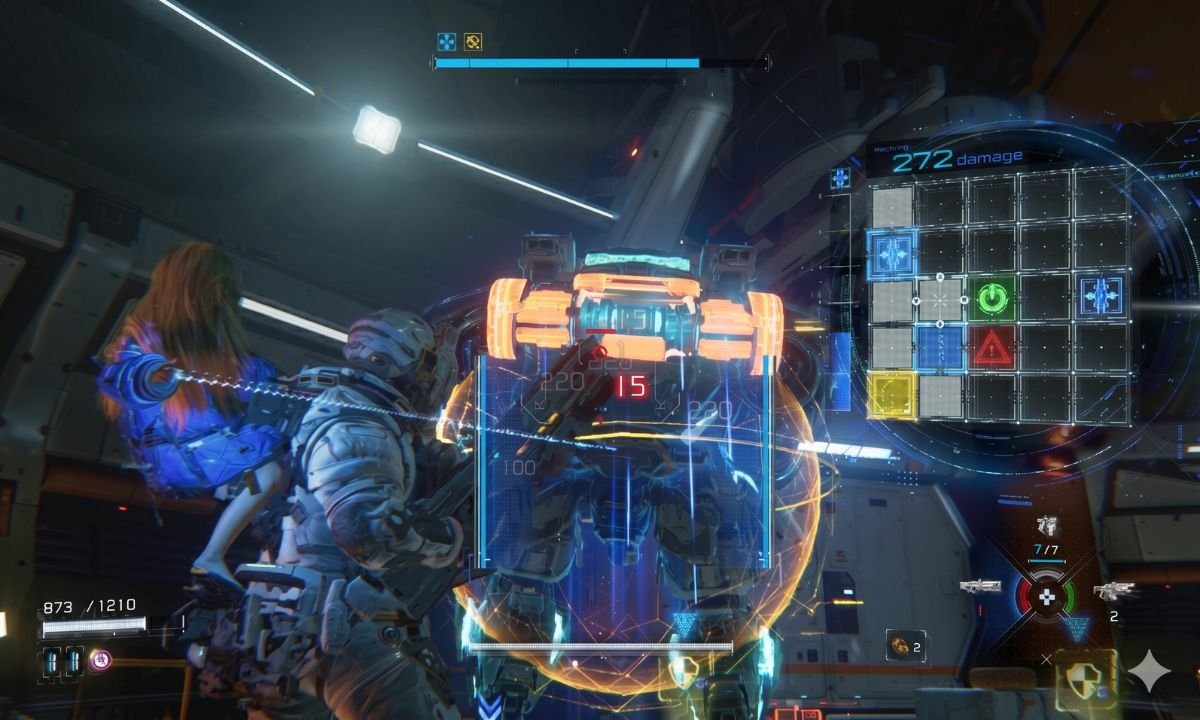
SectorGuard is the first boss and the one that teaches the real shape of Pragmata’s combat. PC Gamer’s guide calls it a tutorial for Overdrive and the boss loop in general, and that’s exactly right. You need to keep hacking the boss to expose the canister on its back, then dump damage into that weak point instead of wasting ammo on low-value body shots.
The best tools here are the ones that make those windows easier to exploit. Stasis Net helps pin the boss down, while Shockwave Gun is a clean way to cash in during close-range openings. Once SectorGuard reaches about half health, the fight gets more aggressive and introduces rockets telegraphed by red floor circles, while Diana’s Overdrive gives you the clearest damage window in the fight. If you are stuck, the fix is usually not more aggression. It is more disciplined hacking and better timing on your burst.
Pragmata Boss Guide: Creator

Creator is the second major boss and the point where the game stops being forgiving. Current walkthrough coverage places it at the end of Mass Production Array, and the fight is built around layered attacks, disrupted hacking access, and stronger punishment for bad dodges.
The important detail in the currently available strategy coverage is that dodging into certain attacks is often safer than backing away, because Hugh’s dodge invulnerability frames do more work than distance alone. Creator’s face is a consistent target for much of the fight, while stronger underside damage windows appear when the boss opens up. The fight also blocks off hacking access as it goes on, forcing you to destroy glowing sections to restore control. That makes Creator less about raw offense and more about protecting the hack cycle under pressure.
Pragmata Boss Guide: Garden Keeper
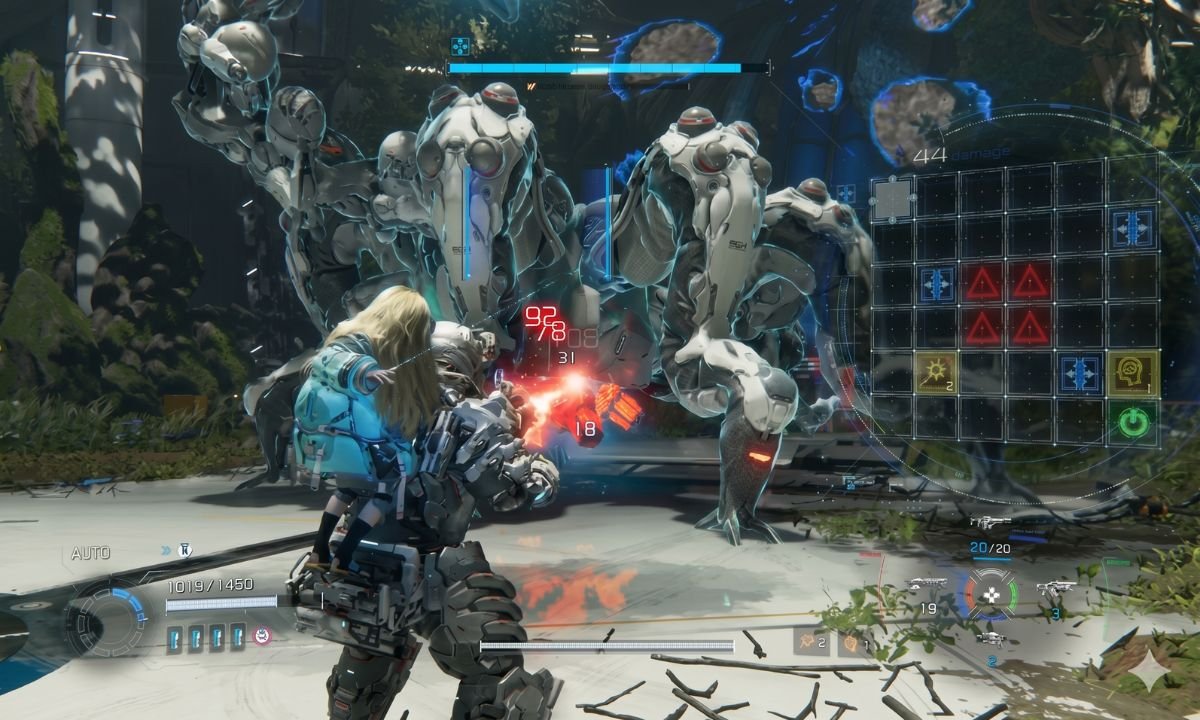
Garden Keeper is the boss at the end of Terra Dome’s Terrarium section, and it is where Pragmata becomes much more hectic. TheGamer’s Terra Dome walkthrough identifies the encounter there, while Polygon’s Terra Dome walkthrough describes it as a large scorpion-like machine and one of the busiest fights in the game up to that point.
Public strategy coverage on Garden Keeper is thinner than it is for SectorGuard or Luna Digger, but the consistent theme is patience. The boss becomes punishable when it commits, especially after late dodges around its grab-style pressure. So this is not a fight where you should force openings or burn ammo out of frustration. Wait for the reveal, dodge late, and punish only when the boss clearly gives you the room to do it.
Pragmata Boss Guide: Luna Digger
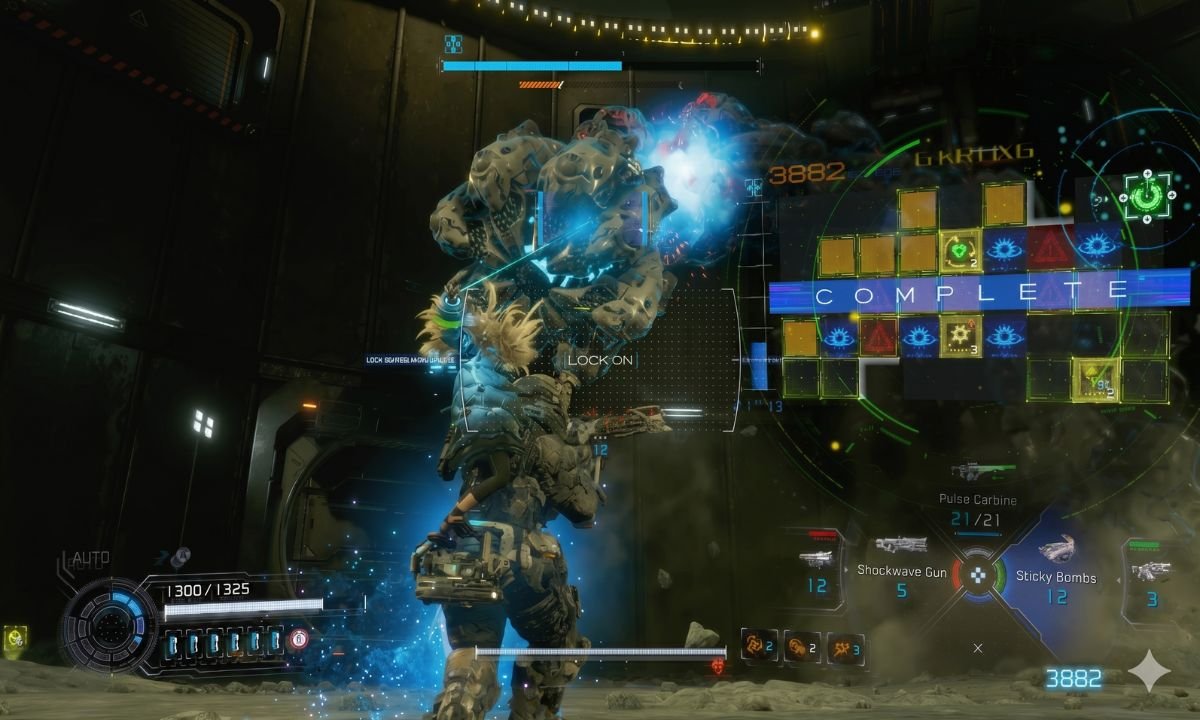
Luna Digger is one of the best-documented fights so far and it behaves very differently from the earlier bosses. PC Gamer describes it as a giant mechanical worm that spends most of the encounter underground and gives you only brief, awkward punish windows. That changes what a best loadout looks like. Area comfort picks matter less. Short-window damage matters more.
PC Gamer recommends Charge Piercer, Photon Laser, Sticky Bombs, Homing Missile, and useful hacking nodes like Heat or Drain, plus better Auto Hack support for Diana. In phase one, the mouth is the most practical damage target when the boss surfaces or charges. In phase two, the body opens up to damage as well, missiles start filling the arena, and mini-drones become both a threat and an opportunity because you can hack them and turn them back for major damage. Luna Digger is much easier once you stop trying to maximize every early opening and save your best output for the later phase.
Pragmata Boss Guide: Sentinel
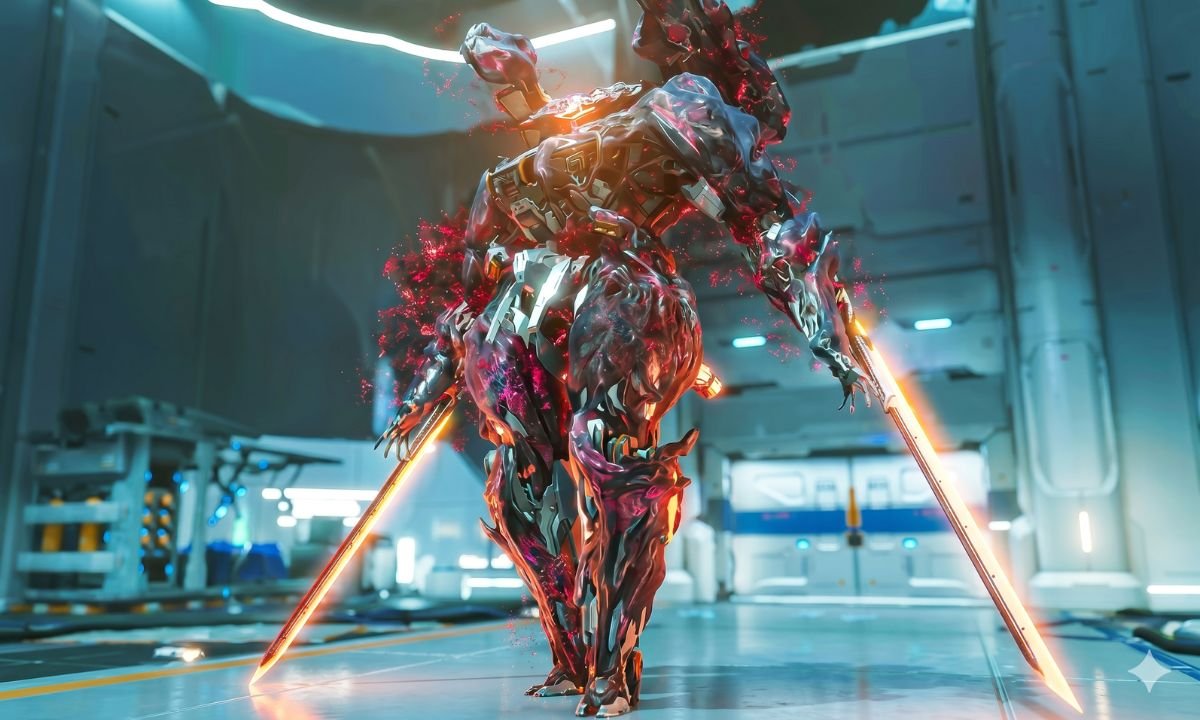
Sentinel is the late-game boss tied to Central Port. PowerPyx’s trophy roadmap confirms defeating the Sentinel as an automatic story milestone, and Polygon’s Central Port walkthrough indicates that you must cleanse the Sentinel twice before you can hack it. That already tells you what kind of fight it is: a faster, more disruptive late-game boss that makes you earn hacking access instead of simply taking it.
Public phase-by-phase coverage for Sentinel is thinner than it is for the earlier bosses, so the honest advice has to stay close to what is actually supported. The fight appears to revolve around repeated cleansing, then hacking, then punishing in a tighter late-game arena context. So the right prep is the same, just more demanding: bring dependable hacking support, don’t waste burst too early, and expect less room for sloppy movement.
Pragmata Boss Guide: Eight
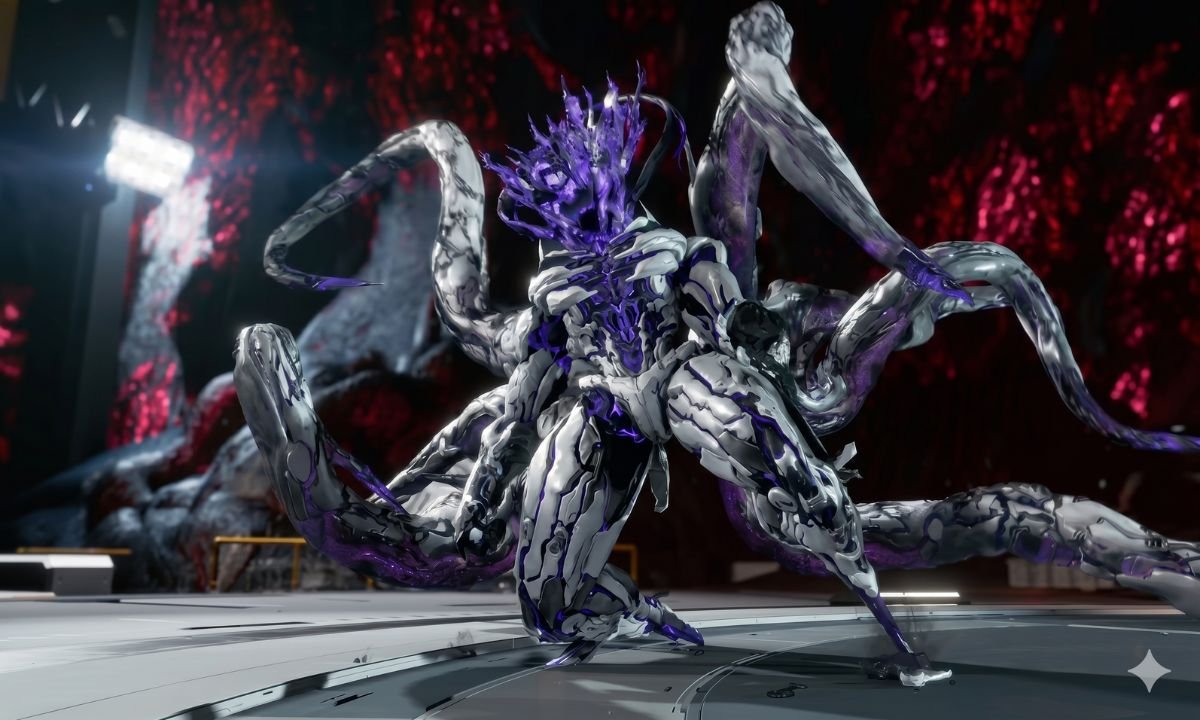
Eight is the final boss tied to the game’s ending route. TheGamer’s ending coverage identifies Eight as the last major confrontation before the normal ending, and its true-ending guide makes clear that cleared saves return you to the pre-final-boss state rather than treating that encounter like a one-and-done cutscene.
The problem is that detailed public phase coverage for Eight is still thin compared with SectorGuard or Luna Digger. So the useful advice here is strategic, not fake-specific: bring the late-game tools that already proved themselves, prioritize hacking support that shortens exposure, and build around reliable burst for short windows instead of carrying a lazy all-purpose kit into the finale. If a site claims precise frame-perfect Eight tech right now without a good source trail, it is probably padding.
What changes after the credits
The boss guide does not really end at Eight if you care about completion. PC Gamer says finishing the main story unlocks Unknown Signal, while PowerPyx’s roadmap says full completion in that mode involves stronger versions of earlier bosses and then another endgame push. So post-game bossing is more about tougher rematches than an entirely separate story-boss chain.
What every Pragmata boss is really testing
The pattern is simple once you stop looking at the bosses as isolated set pieces. SectorGuard teaches the loop. Creatorstresses the loop. Garden Keeper punishes impatience. Luna Digger rewards timing. Sentinel asks whether you can still cleanse, hack, and punish under late-game pressure. Eight is the final check on everything the game has been teaching you. The bosses look different, but the underlying rule never changes: if you do not respect Diana’s side of the combat system, Hugh’s firepower will never be enough.