
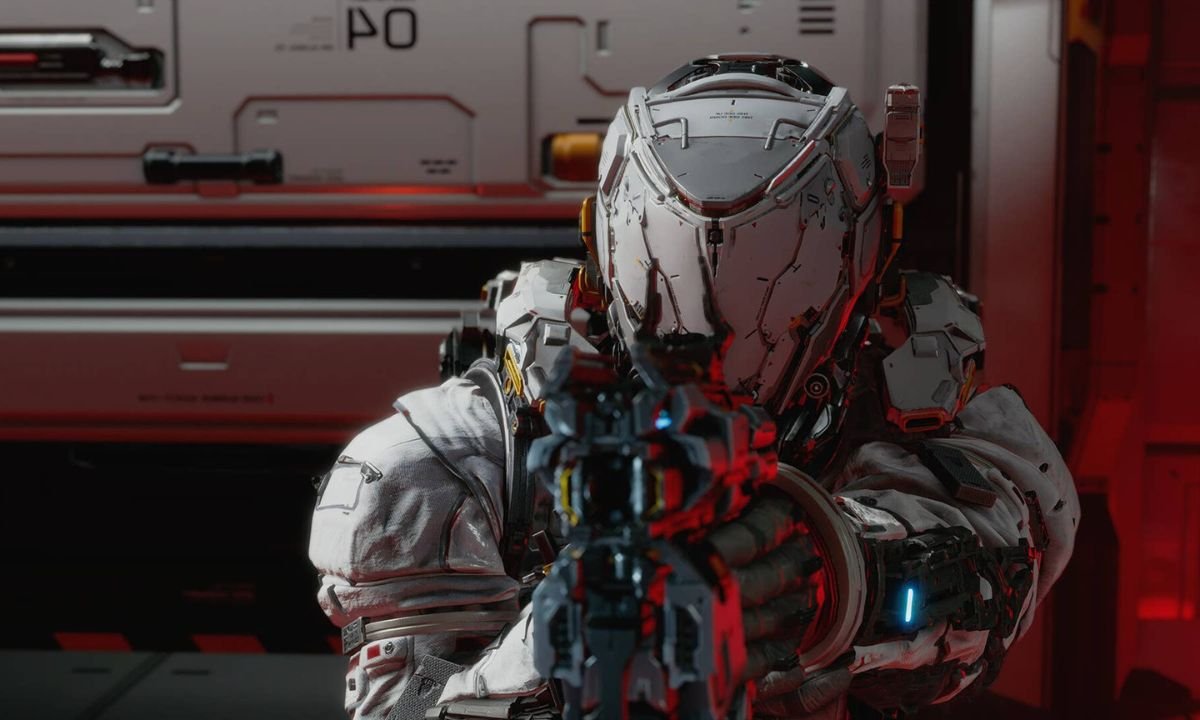

If you are looking for the Pragmata best loadout, the right answer depends on the kind of fight you are preparing for. Pragmata gives you 15 weapons spread across four slots, but they do not all follow the same rule. Your Primary weapons regenerate ammo and stay with you permanently. Everything else is disposable. Once an Attack, Tactical, or Defense weapon runs dry, it is gone.
That changes how you should think about loadouts. This is not really a game about hoarding the “best” gun and using it everywhere. It is about building a setup that covers different situations, then knowing when a limited-use weapon is worth spending.
This guide breaks down:
- a dependable all-purpose loadout for most of the campaign,
- better picks for bosses and crowded rooms,
- stronger options for late-game Red Zones,
- and a full list of all 15 weapons with their unlock locations.
How loadouts work
Your loadout is divided into four categories:
| Slot | What it does |
|---|---|
| Primary | Permanent weapon with self-recharging ammo |
| Attack | Limited-use damage weapon |
| Tactical | Limited-use control/support weapon |
| Defense | Limited-use protection/distraction tool |
At the start of the game, you can equip one weapon in each slot. Later on, you unlock the ability to carry two Attack weapons and two Tactical weapons at the same time, which gives you much more flexibility.
Before each sector, you choose your starting setup at the Shelter. During missions, enemies can also drop replacements for weapons you have already burned through.
Best general-use loadout

This is a safe, flexible setup for a normal playthrough. It is not the only viable build, but it works well across most of the campaign without depending on post-game weapons or Stamp Board rewards.
| Slot | Recommended pick |
|---|---|
| Primary | Grip Gun early, then Pulse Carbine once unlocked |
| Attack | Shockwave Gun |
| Tactical | Stasis Net early, Sticky Bombs later |
| Defense | Decoy Generator |
Primary slot: Grip Gun early, Pulse Carbine later
The Grip Gun is your starting Primary and the weapon you will use more than anything else simply because it never leaves your loadout. That makes it a smart place to invest early upgrade resources, although you still need to balance that against suit and hacking upgrades depending on your playstyle.
Its main limitation is heat. If you hold the trigger too long, it overheats and forces a short cooldown. The simple way to handle that is to fire until heat becomes an issue, swap briefly to an Attack weapon, then return once the Grip Gun recovers.
Later, in Sector 3, you unlock the Pulse Carbine as a second Primary option. It leans more toward sustained fire, making it better suited to longer engagements in the back half of the game. The downside is recoil — it pulls left enough to matter, especially when you are also trying to manage Diana’s hacking grid. Even so, it is usually the more comfortable late-game Primary once you get used to it.
Attack slot: Shockwave Gun for consistency
For most players, the Shockwave Gun is the safest all-purpose Attack choice. It hits hard, staggers reliably, and does not ask much from you beyond getting into range and timing your shots well.
It fires slowly, but that is less of a problem than it sounds because you can swap away from it during its recharge window. Where it really pays off is in short damage opportunities — especially after Diana has already exposed an enemy and you want to cash in quickly.
The main thing to watch is ammo efficiency. It does not give you many shots, so it works best when you treat it like a finisher rather than a panic button.
Tactical slot: Stasis Net first, Sticky Bombs later
The Stasis Net is the more useful Tactical weapon in the early game because it solves the immediate problem most players face: pressure. Freezing one enemy while you hack, shoot, or reposition around another makes chaotic rooms much easier to control. Once upgraded a bit, it also becomes much more reliable against moving targets.
When you reach Sector 3, Sticky Bombs become available and start to take over more of the work. They do not deal much direct damage, but that is not the point. Their real value is that they simplify enemy hacking grids by reducing clutter and cutting down the time you spend exposed.
That makes Sticky Bombs stronger as the campaign gets harder and the hacking sections become messier. Even then, they do not make the Stasis Net obsolete. If you have both Tactical slots unlocked, carrying both is often the most practical solution.
Defense slot: Decoy Generator
The Decoy Generator is simple, but that simplicity is exactly why it works. It throws out a hologram that draws enemy attention, giving you a few seconds to breathe, reposition, or finish a hack without being swarmed.
That becomes especially useful in Red Zones, where the game stacks movement, enemy pressure, and hacking demands on top of each other. It also performs well without needing much upgrade investment, which is helpful if your resources are already being pulled elsewhere.
Best alternatives by situation
Best weapons for bosses
Boss fights change the rules a bit. You get fewer clean damage windows, and wasting ammo hurts more.
Charge Piercer
The Charge Piercer is one of the better boss-focused Attack options because it delivers strong burst damage in a short opening. It takes longer to charge than the Shockwave Gun, especially at first, but upgrades improve that noticeably. If you are playing around boss patterns and only getting brief chances to hit back, it tends to fit that rhythm well.
Sticky Bombs
Sticky Bombs remain strong in boss encounters for the same reason they work elsewhere: faster, cleaner hacking. That matters even more when the target keeps attacking while you are trying to work through the grid.
Homing Missiles
If a boss moves constantly or spends time airborne, Homing Missiles become worth considering. They are not a universal pick, but lock-on can save a lot of frustration in fights where raw aim is the real problem.
Best picks for crowd control
When the room fills up, your problem is no longer single-target damage. It is space management.
Stasis Net
For most of the game, Stasis Net is still the cleanest answer. Freezing one enemy while dealing with another gives you breathing room without forcing you to sacrifice your Attack slot.
Riot Blaster
Once you unlock your second Tactical slot, Riot Blaster becomes worth keeping in mind for rooms where enemies cluster tightly. It is more situational than Stasis Net or Sticky Bombs, but it can help when single-target tools start to feel too slow.
Best late-game and Red Zone tools
Red Zones are where the game asks the most from your loadout. By this stage, most players will likely have their extra Attack and Tactical slots available, which gives you room to specialise more.
Code Generator
The Code Generator is one of the strongest late-game Tactical options if you are willing to work for it through the Specialist Stamp Board. It does not deal direct damage, but it improves hacking damage, clears error nodes, and creates OPEN nodes that keep enemies vulnerable longer. In difficult late-game rooms, that kind of support can matter more than raw firepower.
Photon Laser
The Photon Laser is a reasonable second Attack weapon for long-range pressure. It does not replace Shockwave Gun or Charge Piercer as a general first choice, but it fills a useful gap when burst weapons are not the cleanest answer.
Full weapon list and unlock locations
| Weapon | Slot | First available |
|---|---|---|
| Grip Gun | Primary | Starting weapon |
| Pulse Carbine | Primary | Sector 3: Terra Dome, Plant Factory |
| Shockwave Gun | Attack | Sector 1: Solar Panel Plants, Power Distribution Center |
| Charge Piercer | Attack | Sector 2: Mass Production Array, Side Alley |
| Photon Laser | Attack | Sector 3: Terra Dome, Soil Research |
| Homing Missiles | Attack | Sector 4: Lunum Mines, Mine Entrance |
| Jackhammer | Attack | Complete the game |
| Stasis Net | Tactical | Sector 1: Solar Panel Plants, Power Distribution Center |
| Riot Blaster | Tactical | Sector 2: Mass Production Array, Shopping District |
| Sticky Bombs | Tactical | Sector 3: Terra Dome, Eco Modeling Lab |
| Code Generator | Tactical | Specialist Stamp Board, triple bingo |
| Hacking Mines | Tactical | Director’s Stamp Board, triple bingo |
| Decoy Generator | Defense | Sector 2: Mass Production Array, Lim Recycling Facility |
| Impact Barrier | Defense | Sector 4: Lunum Mines, Crane Operation Yard |
| Drone Hive | Defense | Associate Stamp Board, triple bingo |
A few best weapons sit outside the normal progression path. Jackhammer is a post-game unlock, so it does not matter for a standard first run. Code Generator, Hacking Mines, and Drone Hive come from Cabin’s Stamp Boards rather than regular level pickups, so check those boards between sectors if you want to unlock them efficiently.
If you want the simplest takeaway, it is this: start with Grip Gun + Shockwave Gun + Stasis Net + Decoy Generator, then fold in Pulse Carbine and Sticky Bombs as the campaign opens up. From there, tailor the rest of your setup to the kind of fights you are struggling with most.