
California: Judge Won’t Let Tribe Reopen Vallejo Casino, Calls Its Losses ‘Self-Inflicted’

- A federal judge has turned down the Scotts Valley Band of Pomo Indians' request to restart gaming at its small casino in Vallejo, California, while the tribe fights a ruling that the land cannot be u…
- The tribe had asked for a preliminary injunction, a temporary court order that holds things in place while a lawsuit plays out.
- The tribe wanted the court to set aside Interior's July 2026 decision for now and bring back an earlier January 2025 decision that had found the land eligible for gaming.
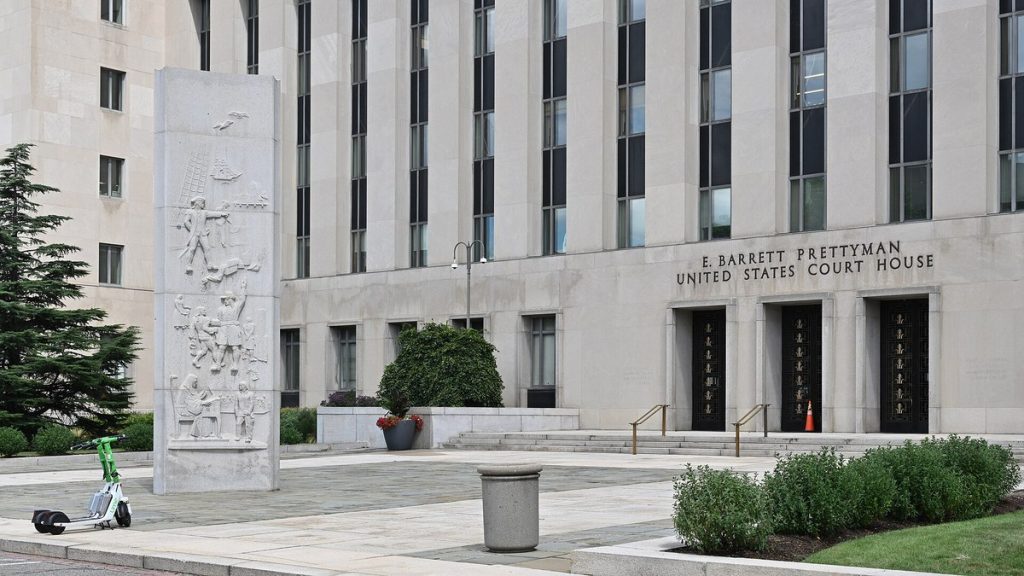
A federal judge has turned down the Scotts Valley Band of Pomo Indians’ request to restart gaming at its small casino in Vallejo, California, while the tribe fights a ruling that the land cannot be used for gaming. U.S. District Judge Trevor N. McFadden in Washington, D.C., denied the request on September 30, according to his order.
The tribe had asked for a preliminary injunction, a temporary court order that holds things in place while a lawsuit plays out. Losing that request does not end the case. The tribe’s lawsuit against the Interior Department continues, World Casino Directory reported.
Why the judge said no
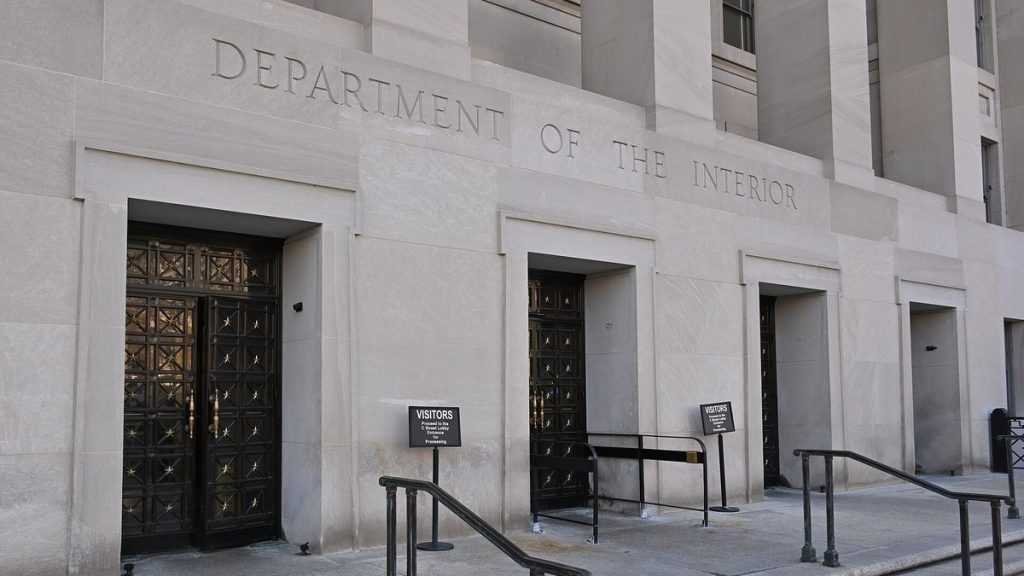
The tribe wanted the court to set aside Interior’s July 2026 decision for now and bring back an earlier January 2025 decision that had found the land eligible for gaming.
To get that, it had to pass four tests. It needed to show it would likely win the case and would suffer harm that could not be fixed later. It also needed the balance of interests and the public interest on its side.
McFadden found it passed none of them. The tribe “falters on every front,” he wrote.
The judge says the tribe was warned
His sharpest words were about money. In October 2025, the same court told the tribe it “would be ill-served by placing undue reliance” on a ruling it had won. Interior also warned the tribe more than once not to rely on the January 2025 decision while the agency took a second look, the order says.
The tribe built and opened its casino anyway. “Scotts Valley rolled the dice and invested anyway, which makes its economic harm self-inflicted,” McFadden wrote.
That was a finding about whether the losses justified emergency relief. It was not a finding of wrongdoing.
Three numbers, three different things
Three dollar figures come up in coverage of the case, and they are easy to mix up:
- More than $10 million: what the tribe says it invested in its temporary Preview Casino. The tribe itself described this as a sunk cost, the order notes.
- About $235,247 a month: the tribe’s claimed expenses and obligations to preserve the closed facility and the governmental and operational infrastructure needed to resume gaming. McFadden called it a “questionable claim” for two modular buildings with 17 machines.
- $700 million: how Casino.org described the larger casino resort planned for the site. This figure is distinct from the tribe’s claimed investment in the temporary Preview Casino.
The judge also found gaps in the tribe’s paperwork. Its cost table listed more than $2 million simply as “Admin Office,” with no further detail, he wrote.
More than $1.5 million of those costs were dated October 30, 2025, or the month before. During that stretch, the January 2025 decision had been pulled back and was not in effect.
Courts rarely treat lost money on its own as a reason for emergency relief. Even taking the figures at face value, McFadden found that the tribe had not shown its monetary losses threatened the very existence of its business or established imminent, irreparable economic harm, according to the order.
A casino that lasted about a week
The Preview Casino was a temporary setup: two converted modular buildings with 17 Class II machines, a bingo-style type of gaming, maintained by nine tribal members, the order says. It opened on a limited basis on July 24, 2026.
A week later, Interior issued its new decision against the tribe, and the casino shut down. The latest ruling keeps it closed for now, Casino.org reported.
What the land fight is about
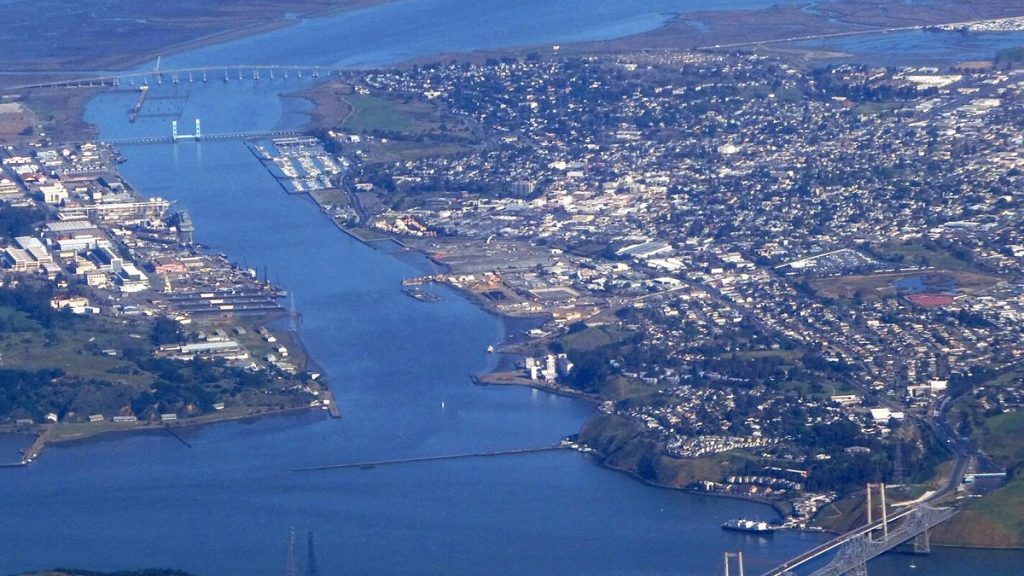
The bigger question is whether the tribe has a “significant historical connection” to the Vallejo land. That test comes from the “restored lands” exception in federal gaming law. It can allow gaming on land taken into trust for a tribe whose federal recognition was restored.
Interior’s position has shifted more than once. It found the land eligible in January 2025, then pulled that decision back two months later. In July 2026, after a second review, it concluded that the tribe had not shown the required connection, the order says.
The land itself remains in trust for the tribe, World Casino Directory reported. The fight is only over whether a casino can operate there.
Who is lined up against the tribe
The judge acknowledged friend-of-the-court briefs from California Gov. Gavin Newsom, the California Gaming Association, Lytton Rancheria, the United Auburn Indian Community and a group of Patwin tribes, according to his order.
Newsom told the court that an injunction could push California into gaming compact talks with the tribe and weaken the state’s bargaining position, the order notes.
The Yocha Dehe Wintun Nation, which disputes Scotts Valley’s ties to Vallejo, welcomed the ruling. “We appreciate the court’s careful consideration of this matter, and we could not be more pleased by today’s decision,” Chairman Anthony Roberts said, as quoted by World Casino Directory.
Tribal gaming has made news in other states too. In Michigan, tribal casino payments to the state fell 71% from 2022 to 2025. In North Carolina, a former dealer at the tribal Harrah’s Cherokee Valley River casino agreed to plead guilty in a craps cheating case.
What the tribe says
Scotts Valley is not backing down. “We remain confident that the law and administrative record clearly support the restoration of our gaming eligibility,” Tribal Chairman Shawn Davis said, according to World Casino Directory. He added that the tribe looks forward to the court considering the case in the coming months.
What happens next
The September 30 order leaves Interior’s July 2026 gaming-eligibility decision in place. It denies temporary relief rather than resolving the underlying lawsuit.
Featured image: The E. Barrett Prettyman U.S. Courthouse in Washington, D.C., home of the federal district court that issued the ruling, in July 2026. Photo: G. Edward Johnson / Wikimedia Commons (CC BY 4.0)
