
Pennsylvania: Unlicensed Skill Games Face Seizure From October 14 After Court Rejects Delay

- Pennsylvania businesses that retain unlicensed skill-game machines after the October 13, 2026, compliance deadline face possible seizure and criminal prosecution beginning October 14, State Police ha…
- Requests for more time were rejected on October 9, when the state Supreme Court refused to extend the deadline, the Pennsylvania Capital-Star reported.
- The deadline does not come from a new law.
Pennsylvania businesses that retain unlicensed skill-game machines after the October 13, 2026, compliance deadline face possible seizure and criminal prosecution beginning October 14, State Police have warned.
Requests for more time were rejected on October 9, when the state Supreme Court refused to extend the deadline, the Pennsylvania Capital-Star reported.
Why the deadline is arriving now
The deadline does not come from a new law. On June 15, 2026, the Pennsylvania Supreme Court ruled that the disputed skill-game devices are “slot machines” under the state’s Gaming Act, which means running them without a license falls under Pennsylvania’s existing gambling laws. Our earlier explainer covers the June ruling and its 120-day stay in more detail.
The court paused enforcement of its decision for 120 days and said it was up to the General Assembly to decide whether the machines should be legal, according to the Capital-Star. That pause ends on October 13.
On October 9, in a pair of one-page orders, the court denied petitions asking it to let the machines keep operating until February 10. They included a request from state Sens. Gene Yaw and Anthony Williams and Rep. Jonathan Fritz, who asked the court to use its emergency King’s Bench power, and one from 20 charitable organizations that host the games.
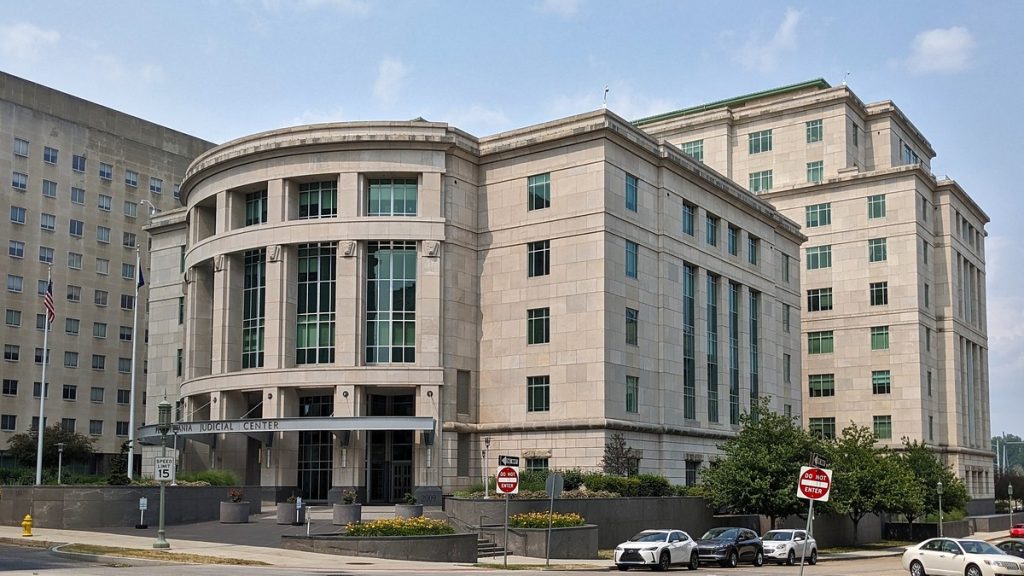
Attorney General Dave Sunday’s office had urged the court to say no. “Because this petition comes too late, because these three legislators lack standing to obtain the relief they seek, and because the equities weigh against them, the Court should deny the King’s Bench petition,” Chief Deputy Attorney General Susan Affronti wrote.
Which businesses are affected
The State Police say the machines are often found in taverns, restaurants, social clubs, mini-marts, gas stations, grocery stores, laundromats and pizza parlors. Supporters, including volunteer fire companies and veterans, rallied for the games at the Capitol on October 6. Business owners say the machines bring in revenue that keeps them financially afloat, the Capital-Star reported.
Holding another type of license does not change the picture. According to the State Police skill-games page, only licensed casinos and qualifying licensed “truck stop establishments” may operate slot machines or video gaming terminals, and only machines inspected and approved by the Pennsylvania Gaming Control Board. A licensed casino or truck stop is not a place to move unapproved skill games.
What can happen to machines left in place
The State Police say officers “may” act against businesses that keep the machines after the deadline. The guidance cited here does not include an inspection schedule. The possible actions it lists are:
| Possible action | What it covers |
|---|---|
| Seizure and forfeiture | The machines and associated equipment |
| Seizure of proceeds | Money connected with operating the machines |
| Criminal charges | Filed “when deemed appropriate” |
| Liquor-license citation | An administrative citation that may lead to a fine or license suspension |
Sunday said in a September 29 statement that he would rather see businesses comply on their own. “We do not want to see searches and seizures at storefronts or bar, social club and restaurant establishments,” he said, City & State Pennsylvania reported.
Switching machines off is not enough
The authorities have repeated one point several times. A machine does not stop being a slot machine because it has been turned off, unplugged or temporarily disabled, the State Police said in an October 5 reminder. That includes removing hardware or software that could simply be put back. Sunday’s office has given the same warning.
The State Police recommend that businesses arrange removal with the distributor or vendor that owns the machines, including ticket redemption terminals. If a vendor refuses, the business is encouraged to tell the State Police.
Businesses with a liquor license are told to contact their local Bureau of Liquor Control Enforcement office; others should call their local police department or State Police station. The contacts are on the State Police help page launched on October 5, and local sessions such as one in Reading on October 8 took questions.
What it means for players
For customers, the practical change is that affected venues are expected to remove the machines as they comply. The enforcement warnings cited here focus on businesses, distributors and manufacturers that possess, operate or maintain the machines. They do not set out a process for unredeemed tickets or refunds, so players with questions should ask the venue.
Could lawmakers still change it?
Lawmakers could change the legal framework by enacting legislation. The October 9 orders left the existing deadline in place. The court left the question of legalization to the General Assembly, and lawmakers had floated several plans without passing one by then.
Senate Bill 1079, from Yaw and Williams, would charge a $500 monthly fee per terminal and cap the state at 50,000 machines, City & State reported; Gov. Josh Shapiro proposed a 52% tax on gross terminal revenue. Others proposed a six-month delay, and Rep. Russ Diamond, the House Gaming Oversight Committee’s Republican chairman, urged a bipartisan deal.
Senate Majority Leader Joe Pittman summed up the outlook in late September. Figuring out a regulatory path makes sense, he said, but “whether we can get there is a very open question.”
