
New York: State Sues Polymarket US Over Alleged Unlicensed Gambling, and the Company Sues Back

- New York sued Polymarket US on September 24, 2026, alleging that the prediction market runs an unlicensed gambling business in the state.
- At the center of the dispute is whether federal law prevents New York from applying its gambling laws to Polymarket US's event contracts.
- Attorney General Letitia James and Governor Kathy Hochul announced the case.
New York sued Polymarket US on September 24, 2026, alleging that the prediction market runs an unlicensed gambling business in the state. Several hours later, the company filed its own federal lawsuit, arguing that the Commodity Futures Trading Commission (CFTC) has exclusive jurisdiction over its event contracts and that federal law prevents New York from enforcing its gambling laws against that business.
At the center of the dispute is whether federal law prevents New York from applying its gambling laws to Polymarket US’s event contracts. The company in both cases is QCX LLC, which does business as Polymarket US.
What New York says
Attorney General Letitia James and Governor Kathy Hochul announced the case. It was filed in New York State Supreme Court in Manhattan, which, despite the name, is a state trial court.
In its petition, New York alleges that Polymarket US’s markets are gambling. The state says users put money on events whose outcomes are uncertain and outside their control, and that the company has not obtained a license from the New York State Gaming Commission.
The petition’s examples include contracts on whether the New York Knicks would beat the San Antonio Spurs in the NBA Finals and who would win the race for New York governor. The petition says the company announced on December 3, 2025, that its U.S. app was “launching with sports—followed by markets on everything.”
According to the state, people aged 18 to 20 can trade on the platform, even though New York requires mobile sports bettors to be at least 21.
“Our gambling laws exist to protect New Yorkers, prevent the potential harms of problem gambling, and ensure funding for educational and public benefit programs,” James said in a statement.
The case follows similar New York actions against Kalshi in July and against Coinbase and Gemini in April. In Florida, the attorney general has demanded that Google, Meta and TikTok stop sweepstakes casino ads.
Why Polymarket US says New York’s gambling laws do not apply to it
In its federal complaint, filed against James and the chair, members and executive director of the New York State Gaming Commission, the company says it runs a “designated contract market.” That is a type of exchange designated and overseen by the CFTC, the federal agency that regulates futures and similar financial contracts. The CFTC’s registry lists QCX LLC, doing business as Polymarket US, as a designated contract market.
The company argues that a federal law, the Commodity Exchange Act, gives the CFTC exclusive authority over the event contracts it offers. Because of that, it says, New York’s gambling laws are “preempted,” a legal term meaning federal law overrides state law. “This is an extraordinary assertion of state power squarely foreclosed by federal law,” the complaint says.
Polymarket US also says the threat of state enforcement leaves it with an “impossible choice”: keep operating and risk liability, or obey a state law it says does not apply to it. It is asking the federal court to declare that New York’s civil and criminal gambling laws cannot be enforced against it, and to block state officials from trying.
These are the company’s arguments. Federal oversight does not, by itself, settle whether New York’s laws apply.
Two lawsuits, and a move to federal court
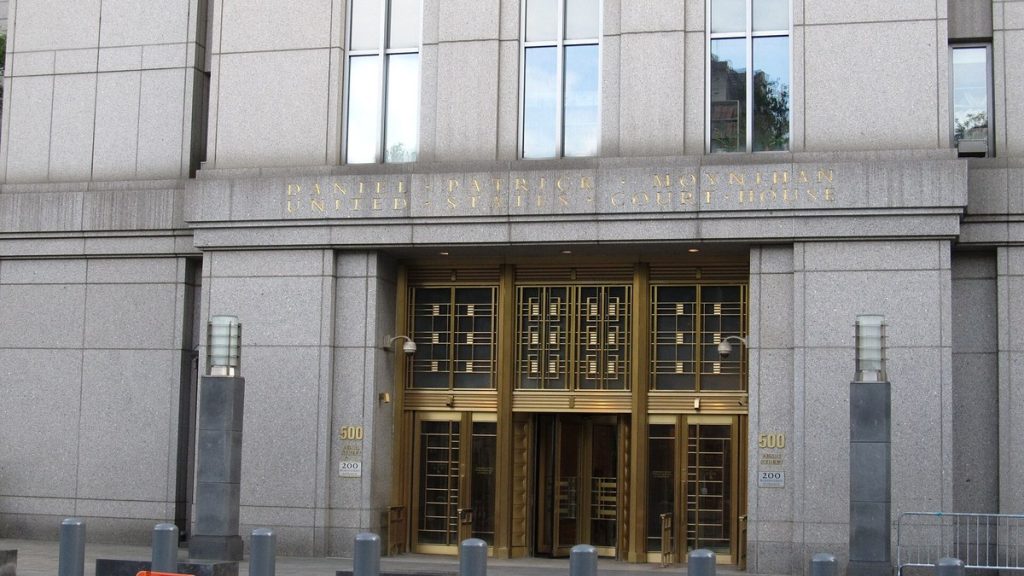
Both cases were filed in, or moved to, federal court in Manhattan on September 24. The first is the company’s own lawsuit, QCX LLC v. James, case number 1:26-cv-08345. The second is New York’s case. On September 24, Polymarket US filed a notice of removal, which moves a lawsuit from state court into federal court. In federal court, it is docketed as James v. QCX LLC, case number 1:26-cv-08338.
Removal transfers the proceeding to federal court, subject to any later decision sending it back to state court. It does not dismiss New York’s claims or decide their merits. Polymarket US says the case belongs there because it raises federal questions and because, it argues, it acts under the CFTC’s supervision. According to the federal docket, the removed case was assigned to U.S. District Judge Ronnie Abrams on September 25.
What New York is asking the court to do
New York wants a court order permanently barring Polymarket US from running what the state calls an unlicensed gambling business in New York. The petition asks the court to stop the company from offering contracts on sports, culture, elections and other events without a state license, from allowing people under 21 to trade, and from advertising those contracts, including on college campuses and in college media.
The state also wants the company to account for customers’ bets and losses, pay restitution and damages, and give up money it made from the alleged violations. It is seeking penalties of three times the gains from the alleged violations and $100,000 for each offering or attempted offering of unauthorized sports wagering.
According to Polymarket US’s notice of removal, the state has also asked the court for a temporary restraining order to halt what the company calls its “federally regulated activity.” Game Empress has not reviewed the state’s own motion papers.
These are the state’s requests, not penalties a court has imposed.
A separate federal case already underway
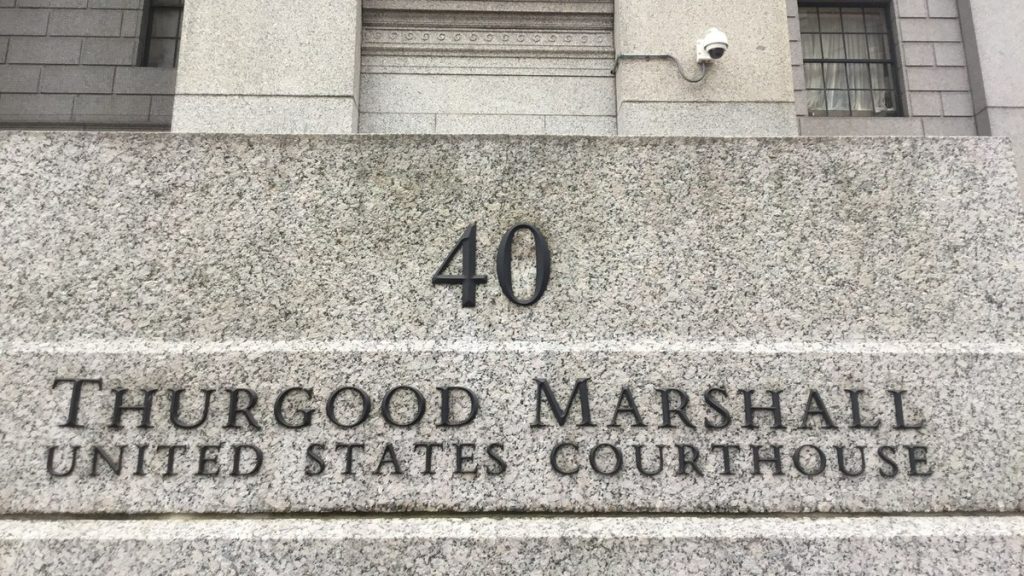
On April 24, 2026, the United States and the CFTC sued New York in the same federal court, in United States v. New York. The defendants include Attorney General James and members of the state Gaming Commission. Governor Hochul was originally named as a defendant, but the claims against her were dismissed without prejudice on June 16, 2026.
That complaint says it seeks “to halt defendants’ efforts to apply and enforce preempted state laws to national markets that are governed by federal law.” On May 1, the CFTC and the United States asked the court for a preliminary injunction. Filings on that request continued into September.
The questions at the heart of the case
The central legal questions include whether the contracts constitute gambling under New York law and whether federal law prevents the state from enforcing its gambling laws against Polymarket US.
For now, the two sides want opposite outcomes. New York wants a court to stop Polymarket US’s allegedly unlawful operations in New York and make the company pay. Polymarket US wants a federal judge to declare that New York’s gambling laws cannot be enforced against it.
Featured image: The New York County Courthouse at 60 Centre Street in Manhattan, which houses the New York State Supreme Court. Photo: Beyond My Ken / Wikimedia Commons (CC BY-SA 4.0)
