
IMF Expects Macau VIP Gaming to Remain a Relatively Small Share of Casino Revenue

- Macau VIP gaming has shown some signs of recovery, but International Monetary Fund staff expect the segment's share of casino gross gaming revenue to remain relatively low.
- Put simply, the bulk of the money now comes from outside the VIP segment.
- First, a quick word on the main number.
Macau VIP gaming has shown some signs of recovery, but International Monetary Fund staff expect the segment’s share of casino gross gaming revenue to remain relatively low. That view comes from the IMF’s 2026 Article IV staff report, its regular review of Macau’s economy, published on September 29.
Put simply, the bulk of the money now comes from outside the VIP segment. The mass-market segment accounted for 73% of Macau’s gross gaming revenue in 2025, according to the report. This segment includes premium-mass customers, as casino operators call higher spenders within the mass market, as well as mainstream casino players.
Mass-market gaming leads the recovery
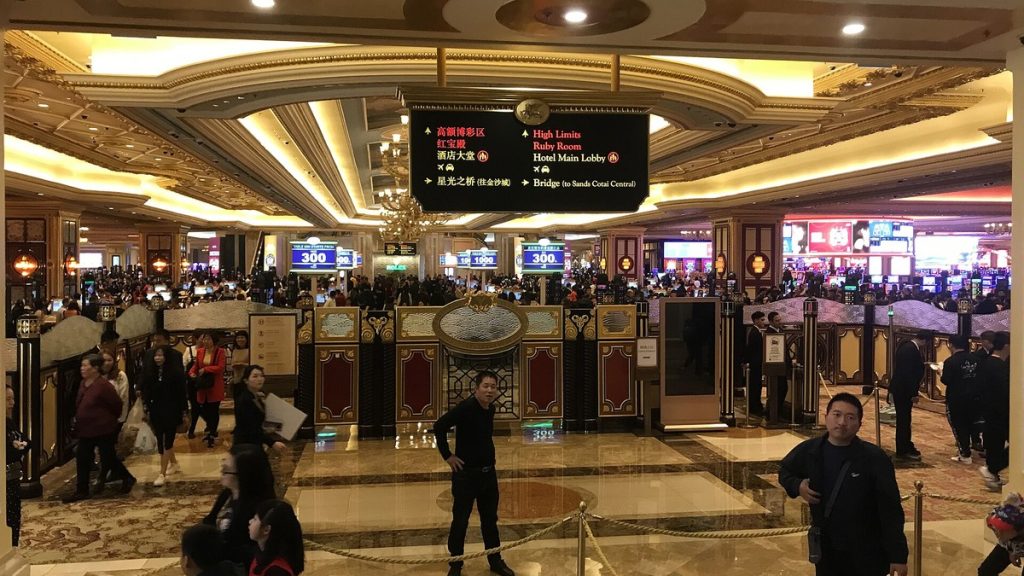
First, a quick word on the main number. Gross gaming revenue, or GGR, is what casinos keep from bets after paying out winnings. It comes before they pay their own costs. So it is not profit, and it is not the total amount people bet.
The figures show how Macau’s gaming revenue has recovered:
- Full-year 2025: GGR rose 9.1% year on year and reached around 85% of its 2019 level.
- First half of 2026: GGR rose 6.8% year on year, according to Macau’s Gaming Inspection and Coordination Bureau (official DICJ monthly statistics).
The recovery has also changed the sector’s revenue mix. The IMF calls it a structural shift, with growth “increasingly driven by mass-market gaming.” And revenue is still below its pre-pandemic peak, the IMF said.
Why the VIP segment has changed
VIP gaming caters to high-spending customers, often through dedicated facilities and services. Junket operators, middlemen that brought big-spending players to Macau’s casinos, were part of that business.
The IMF gives two reasons VIP’s share should stay low. First, casinos are still adapting to the way the business works after the pandemic. Second, junket operators face tighter rules brought in since Macau’s 2022 gaming-law reforms, including steps to improve governance and strengthen anti-money-laundering safeguards.
The report goes further elsewhere. It describes the sector’s structural changes as tighter regulation of VIP gaming: stricter licensing, limits on providing credit and stronger anti-money-laundering enforcement. It also notes the “regulatory-driven exit” of junket operators and VIP gaming promoters between 2022 and 2024.
Money-laundering risk in gambling is drawing attention well beyond Macau. In September, the Financial Action Task Force, which sets the global rules against dirty money, published a list of warning signs for casinos, betting sites and game platforms.
What the IMF report does not do is put a number on how low VIP’s share will stay, or say for how long.
The broader economic outlook

All of this matters far beyond the casino floor. The IMF says Macau’s real GDP is still 10% below its pre-pandemic level. It puts that down to structural changes in the gaming sector, including weaker high-end demand.
For the economy as a whole, the IMF estimates growth of 4.7% in 2025 and projects 3.3% in 2026 and 3.1% in 2027, according to the indicator table released with its September 29 press release. These are growth rates for the whole economy, not forecasts for casino revenue.
The IMF’s Executive Board signed off on the review on September 24 without holding a formal meeting. In its assessment, the board stressed that Macau needs to keep diversifying its economy away from gambling. It said further investment would be needed to achieve the Macau authorities’ target of increasing non-gaming activities to 60% of GDP by 2030. It also listed greater competition in the gaming industry as one of the risks ahead.
Featured image: Casino resorts on Cotai in Macau, including Galaxy Macau, in December 2025. Photo: 任晏延 / Wikimedia Commons (CC BY 4.0)
