
Curaçao Gambling Leak Raises Questions Over Casino Ownership and Licensing

- Curaçao's gambling regulator approved licenses for online casino companies while questions about who owned them were still open, according to an investigation based on leaked records and published on…
- Dutch outlet Follow the Money (FTM) led the "Casino Secrets" project with NRK, NDR, Jetzt and SVT.
- Wittmann says on her blog that she had access from December 3, 2025, until September 17, 2026.
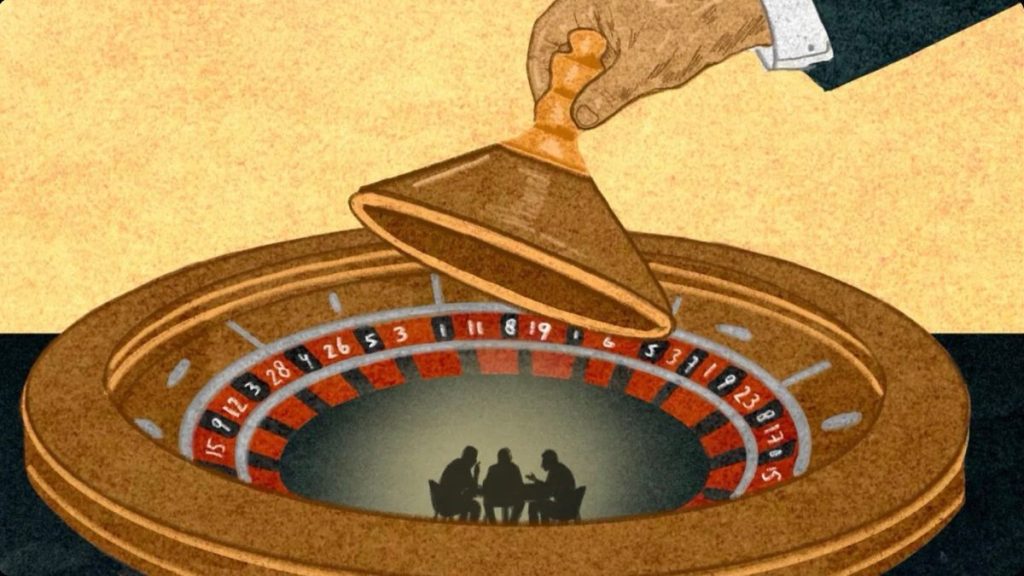
Curaçao’s gambling regulator approved licenses for online casino companies while questions about who owned them were still open, according to an investigation based on leaked records and published on September 22.
Dutch outlet Follow the Money (FTM) led the “Casino Secrets” project with NRK, NDR, Jetzt and SVT. The material came from Lilith Wittmann, a Berlin-based researcher who got into the Curaçao Gaming Authority’s (CGA) licensing system. None of it proves that a particular casino broke the law. What it does question is how carefully the regulator checked who controls the companies it licenses.
646 companies, 767 names
Wittmann says on her blog that she had access from December 3, 2025, until September 17, 2026. FTM worked only from the documents she obtained in December. Those include license applications, the regulator’s internal assessments and ownership declarations, along with passports and financial records. We have not reproduced any personal details from them.
Much of the reporting turns on ultimate beneficial owners, or UBOs. These are the actual people who own or control a company, as opposed to the holding company, nominee director or trust office named on the forms.
FTM identified 646 organizations licensed as of December 2025 and checked 897 UBO records by hand. Those records relate to 767 people, but not all of them are still owners. FTM found that 65 had sold their stakes before December 2025. For another 30, missing documents meant it could not confirm whether they still held one.
A name on a form is the applicant’s word. Whether the regulator ever confirmed that the person was in charge is a separate matter, and that is what FTM set out to test.
“The licence may be granted”
In dozens of applications FTM reviewed, assessors flagged serious problems and accepted vague or incomplete answers. Then they recommended approval to the regulator’s management board anyway.
FTM says licenses went through while questions about some companies’ ownership and corporate structures were unresolved. Some applicants had also not supplied information needed to guard against money laundering.
An incomplete application doesn’t by itself establish criminal wrongdoing. Missing information can still point to a compliance problem, though, and FTM’s focus is on how the regulator reached its decisions.
Curaçao points to its new law
The CGA disclosed the breach in a statement dated September 17. It said the access had been contained and its source identified. A forensic investigation was under way but “has not yet established the full scope of the incident,” and the regulator was still assessing whether any information had been accessed, and if so which. The statement doesn’t confirm what is in the leak or anything published since.
When FTM put its findings to the CGA, the regulator didn’t dispute that it had licensed companies with ownership questions unresolved. It said the sector was in transition and that it did not refuse licenses every time a question came up. The decision, taken under the responsibility of the finance minister, was “not to implement all requirements at once” and to let companies comply step by step.
Casino.org also reported that the CGA pointed to the island’s move to a new regulatory regime. Curaçao’s new gambling law, the National Ordinance on Games of Chance, took effect on December 24, 2024.
Licensed in Curaçao, fined in the Netherlands
Ownership records matter most when something goes wrong. When a player complains or a foreign regulator issues a fine, someone has to be answerable. If the declared owner can’t be shown to control the company, it is harder to know who that is.
The concerns reported so far don’t, on their own, show money laundering, organized crime or corruption. That would take separate evidence.
A Curaçao license also has limits. FTM notes that it lets a company operate from the island but doesn’t automatically allow it to take bets in other countries. Unlicensed gambling is a wider worry for regulators too. In a report this month, the Financial Action Task Force named illegal gambling as a leading money-laundering risk in the sector.
Qbet.com is a case in point. The leaked documents name a Manila-based technology manager as the UBO of Novatech Solutions NV, which FTM describes as the Curaçao-based company behind the casino. In the Netherlands, the Kansspelautoriteit (KSA) fined Novatech €24,846,000 for offering games on Qbet.com and 55Bet.com without a Dutch license. The decision is dated December 16, 2025, and was published on March 10, 2026. Novatech has filed an objection, according to the KSA’s decision page. Neither Novatech nor Qbet responded to FTM’s questions.
The Dutch case started well before the leak. On October 30, 2024, the KSA ordered Novatech to stop offering unlicensed gambling or face penalty payments. No objection was filed against that order, and it is now final, the regulator’s decision page says. The fine is a separate decision, and that is the one Novatech is contesting.
Still open
As of September 23, the CGA’s September 17 statement was still the most recent item on its news page. That statement said the regulator was still assessing what had been accessed. It announced no action against licensees named in the reporting, and it said nothing about whether ownership declarations questioned in the files have since been corrected. The KSA’s decision page lists Novatech’s objection to the fine but no outcome.
