
Average U.S. Gamer Is Now 37 as Weekly Player Count Tops 212 Million

- The average U.S.
- Together, the numbers show a bigger audience that's also getting older, with no drop in participation among younger players.
- The ESA's 2025 report put the average player age at 36, so this year's figure is a one-year increase.
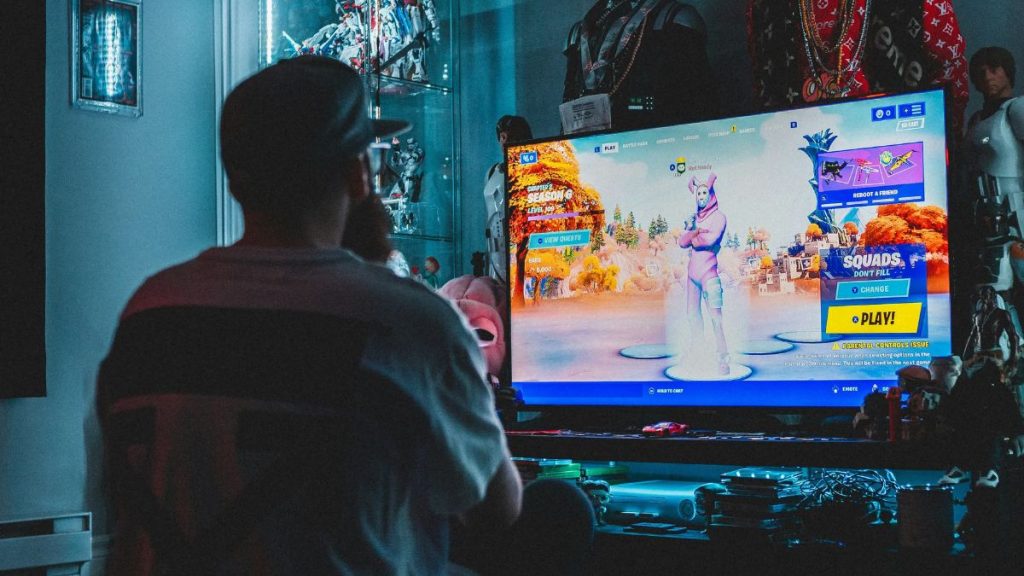
The average U.S. video game player is now 37 years old, according to the Entertainment Software Association’s 2026 Essential Facts About the U.S. Video Game Industry report, conducted with YouGov. The number of Americans playing at least one hour of video games per week has also climbed to 212.3 million — 67% of Americans ages 5 to 90, and about 7.2 million more than last year, according to the ESA’s official announcement.
Together, the numbers show a bigger audience that’s also getting older, with no drop in participation among younger players.
Average Gamer Age Rises From 36 to 37
The ESA’s 2025 report put the average player age at 36, so this year’s figure is a one-year increase. The ESA doesn’t specify a cause. The generational breakdown below shows where that shift is coming from.
More Than 212 Million Americans Now Play Every Week
From the 2026 report:
- 212.3 million Americans play video games at least one hour per week
- 67% of the U.S. population ages 5–90
- Up 3% year-over-year, about 7.2 million more players
This growth rules out one explanation for the rising average age: younger players aren’t dropping off. The breakdown below shows why.
Gaming Remains Popular Across Generations
Weekly participation by generation:
- 80%+ of Gen Alpha
- 80%+ of Gen Z
- 71% of Millennials
- 56% of Gen X
- 50% of Boomers
Gen Alpha and Gen Z remain the most active groups. Millennials, mostly in their thirties and early forties now, still play at a 71% weekly rate. Half of Boomers play weekly as well.
Men and Women Make Up a Similar Share of Players
Overall gender split: 53% male, 46% female. Among Boomers specifically, the split reverses — 52% of women play weekly versus 47% of men — the opposite of every younger generation, per Variety’s coverage of the report.
How the 2026 Survey Was Conducted
ESA and YouGov ran a roughly 20-minute online survey from February 11 to February 25, 2026, with 13,545 respondents. Results were weighted to match the U.S. population on age, gender, ethnicity, education, and geography, per the ESA’s published methodology.
This is survey data, not a census. The year-over-year figures — the one-year age increase, the 3% rise in weekly players — compare two different survey samples, not the same individuals tracked over time.
What the Report Doesn’t Show
The survey is a snapshot, not a longitudinal study. It can’t confirm whether any given Boomer or Millennial has played continuously since childhood. ESA president and CEO Stanley Pierre-Louis told AFP the rising average age reflects “both the aging of a generation that grew up with consoles and a wave of older adults who have since picked up the hobby,” according to Digital Journal — his interpretation, not a conclusion the survey itself was designed to prove. The generational participation rates and the overall average age are separate figures in the same report; linking them further requires assumptions the data doesn’t support.
The Bigger Picture
Gaming’s audience is growing and aging at the same time. Half of Boomers play weekly, Millennials are at 71%, and the average player has moved another year closer to 40 — without any drop in engagement among younger generations.
