
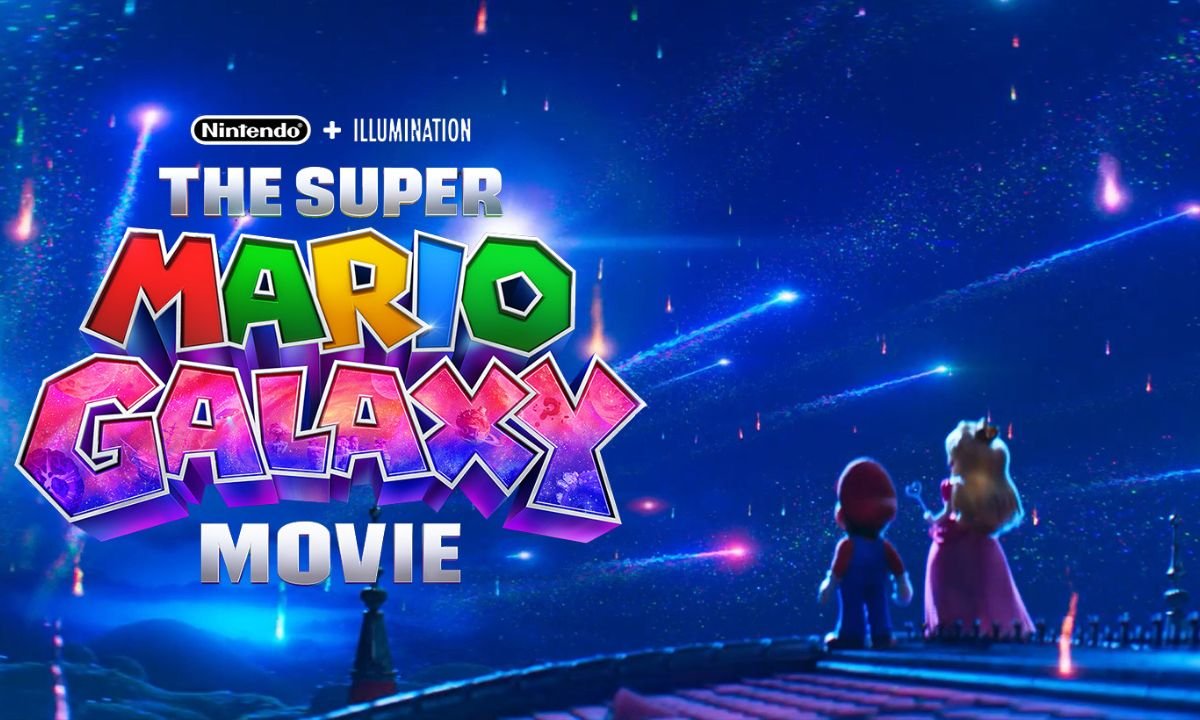
Mario’s creator speaks out after the animated sequel lands a 43% on Rotten Tomatoes — even as audiences hand it an 89% approval rating and box offices shatter records worldwide.
Nintendo legend Shigeru Miyamoto has broken his silence on the critical reception to The Super Mario Galaxy Movie, calling the wave of negative reviews from professional critics “truly baffling” — and expressing genuine surprise that the sequel has been received even more harshly than its 2023 predecessor. The comments came during a group interview with Japanese media timed to mark the film’s local Japanese release, and they have since ignited a debate about the gap between critical taste and audience appetite when it comes to Nintendo’s big-screen ambitions.
Shigeru Miyamoto on Super Mario Galaxy Movie Reviews: “Even Harsher Than Last Time”
In comments reported by GameSpot and Nintendo Life from an NDW interview, translated by Nintendo Patents Watch, Miyamoto was asked directly about the film’s critical reception in the West, where reviews have been largely negative. He replied that while he understood some of the criticisms aimed at the original Super Mario Bros. Movie, he had expected the sequel to land differently. “Actually, regarding the previous film, I felt that the critics’ opinions did hold some validity. However, I thought things would be different this time around — only to find that the criticism is even harsher than it was before.”
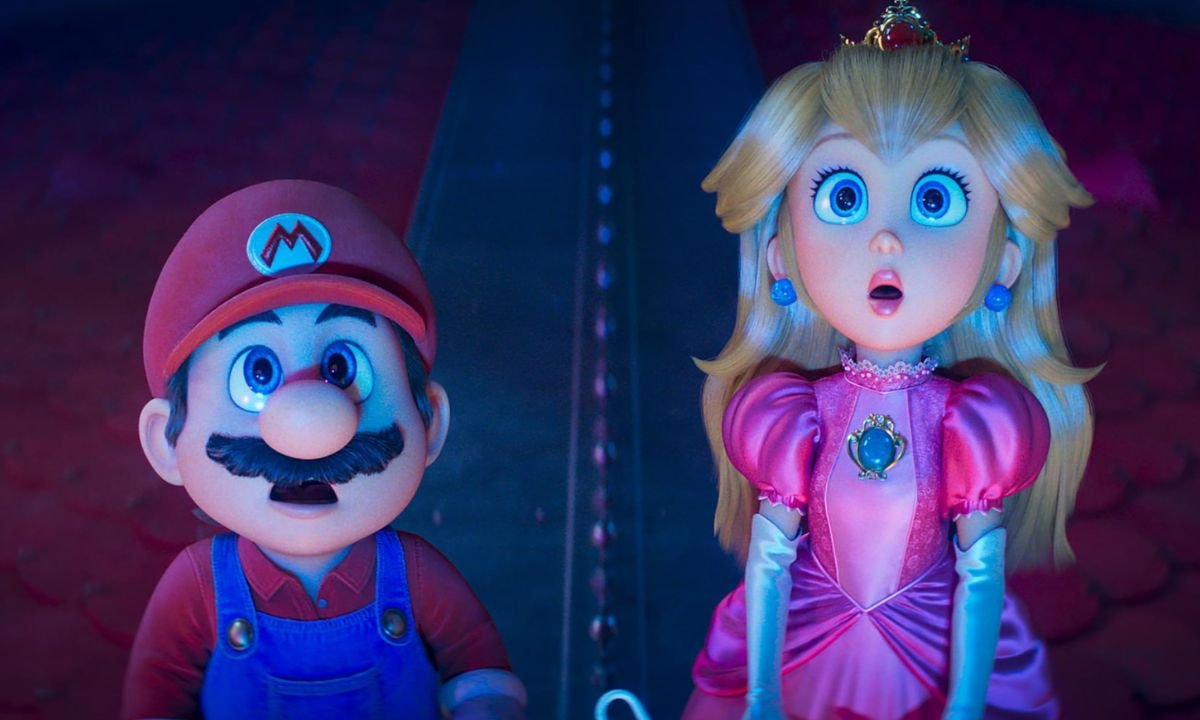
He described the response as more than puzzling. “We stepped in from another medium and did our best to help energize the film industry. And yet the very people who are supposed to champion the film industry are the ones being so negative; it’s truly baffling.”
It is a surprisingly candid and pointed statement from a figure who rarely speaks this frankly about reception to Nintendo’s projects. And it immediately raises a fair counter-question: the job of a professional critic is not to champion any industry, but to evaluate the work in front of them honestly. That distinction appears to be at the heart of the disconnect Miyamoto is feeling.
The Numbers: Critics vs. Audiences on the Super Mario Galaxy Movie Reviews
The split between critical and audience reception to The Super Mario Galaxy Movie is one of the starkest of any major release in recent memory.
The film currently holds a 43% approval rating on Rotten Tomatoes based on over 200 reviews — significantly lower than the first film’s already-modest 59% critics score. Audience reception, however, tells a very different story: the film holds an 89% Verified Popcornmeter score from the public on the same platform. On Metacritic, the film sits at a 37 Metascore, placing it firmly in “generally unfavorable reviews” territory.
The most common complaint across critical reviews mirrors what was said about the first film: that the movie prioritizes a relentless stream of franchise references and fan-service moments over cohesive storytelling and character development. Critics who appreciated the visual craft of the animation still largely found the narrative thin. Audiences — particularly families with younger children and longtime Nintendo fans — have been far more forgiving, and their enthusiasm has translated directly into box office results.
What Critics Said: The Core Complaint Behind the Shigeru Miyamoto Super Mario Galaxy Movie Reviews Controversy
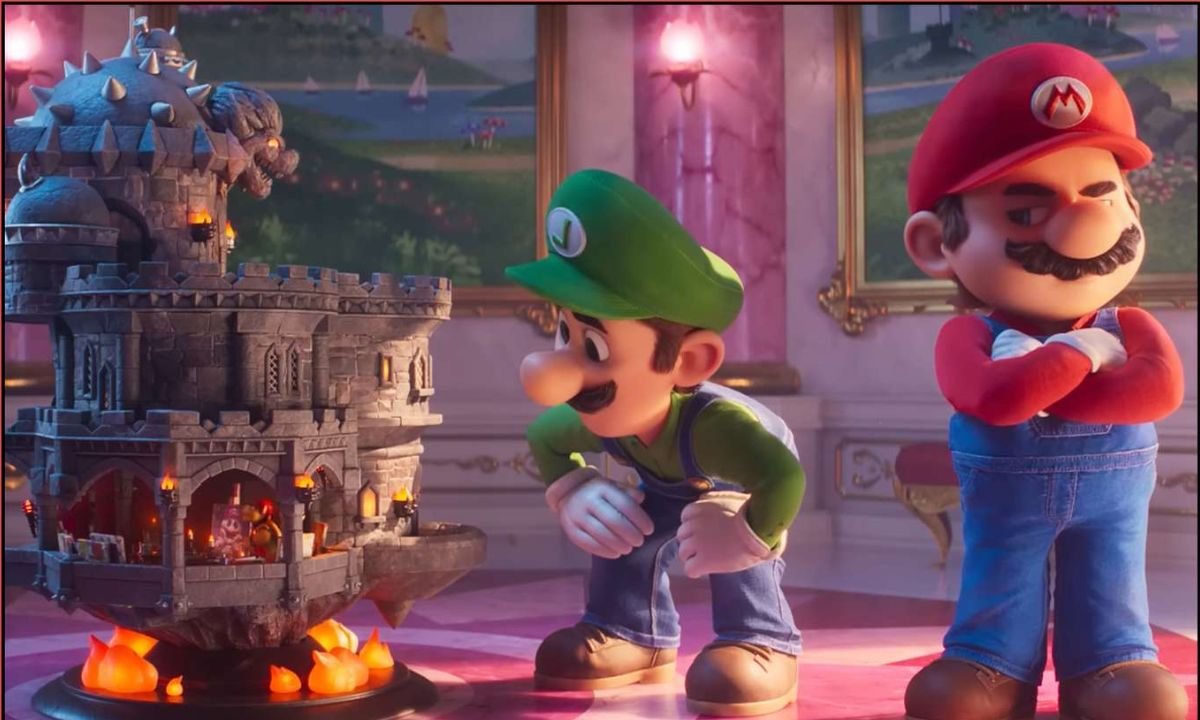
The criticism directed at The Super Mario Galaxy Movie is not simply that it is a children’s film. Reviewers have repeatedly acknowledged that animated films for families can be excellent — pointing to Pixar’s output, the Spider-Verse films, and even Nintendo-adjacent properties as evidence that the format is not inherently limiting. The specific charge is that the film treats the act of recognizing a Mario character or location as a substitute for earning an emotional reaction, and that its plot exists primarily to move between set pieces rather than to build toward anything meaningful.
As GameSpot noted in its coverage of Miyamoto’s comments, it is not normally the job of any professional critic to “champion” an industry. Criticism, functioning at its best, can help elevate creative work and offer audiences alternative perspectives on what they have seen.
Miyamoto’s framing — that critics should be grateful that a company from “another medium” is working to energize the film industry — has been the most contested part of his comments, with many observers pointing out that critical rigour applies regardless of who made the film or how much money it has grossed.
Box Office Context: Why Shigeru Miyamoto’s Super Mario Galaxy Movie Reviews Response Matters Less Financially
Whatever critics have written, the commercial numbers make it very clear that the film is a historic success by any conventional measure.
The Super Mario Galaxy Movie topped the domestic box office for three consecutive weekends and is already the highest-grossing film of 2026, having earned $355.2 million domestically and $747.5 million globally heading into its fourth weekend — and that figure was recorded before the film had even opened in Japan. The film cost $110 million to produce and is on track to become the first release of 2026 to cross $1 billion worldwide.
Combined with the original Super Mario Bros. Movie’s $1.3 billion worldwide gross, Deadline reports the Nintendo-Illumination-Universal franchise has now crossed $2 billion at the global box office across just two films.
That financial reality is almost certainly the reason Miyamoto can afford to be candid about his frustration with critics. When a film generates nearly $750 million globally before opening in one of its most important markets, the studio is not in a position of weakness. The reviews have hurt reputationally, but they have not hurt commercially.
Japan Release and the Unique Japanese Script
Miyamoto also addressed what makes the Japanese release of the film distinct from its international versions. “The Japanese version is a bit unique,” he said. “Normally, we create an English version and then localize it for each country, but for the first film, we developed the English and Japanese scripts simultaneously.” He expressed hope that the film would perform strongly in Japan and noted that the localization was handled with particular care, rather than being a straightforward translation of the English-language version.
Given that the original Super Mario Bros. Movie earned approximately $102 million in Japan alone during its run — an exceptional result for an animated Western production in that market — expectations for the Galaxy film’s Japanese opening are substantial.
⚠️ Spoiler Warning: The Following Section Discusses a Plot Point from The Super Mario Galaxy Movie
Peach’s Story and What It Could Mean for Future Nintendo Games
Separately from the reviews discussion, Miyamoto addressed one of the film’s notable story threads in the same interview round. According to VGC’s reporting, Miyamoto said he would like to adhere to the backstory established for Princess Peach in the film as much as possible in future games. That is a notable signal from the person who has historically kept game and non-game Mario fiction strictly separate, and it suggests the film series may begin feeding back into the broader Nintendo universe in a more meaningful capacity. VGC notes this as something that “may remain canon” rather than a fully confirmed permanent change, and it is worth treating it accordingly until Nintendo makes a more definitive statement through official game releases.
What Comes Next for Nintendo on Screen
Nintendo’s next major film project is the live-action The Legend of Zelda movie, scheduled for May 7, 2027. Recent reporting says filming has wrapped, and early behind-the-scenes images have already generated considerable audience interest. The commercial success of the Mario films — Shigeru Miyamoto Super Mario Galaxy Movie reviews controversy notwithstanding — has clearly given Nintendo and its partners the confidence to continue expanding their cinematic output. Whether the Zelda film takes a meaningfully different approach to storytelling than the Mario sequels have remains to be seen.
For the full context on where Nintendo’s retro gaming push sits alongside its film ambitions in 2026, see our breakdown of every confirmed GameCube game on Nintendo Switch Online and our full analysis of whether the Nintendo Switch Online Expansion Pack is worth it this year.
Shigeru Miyamoto’s reaction to The Super Mario Galaxy Movie reviews is genuine, understandable from his vantage point, and still somewhat missing the point critics are making. He is correct that audiences love the film. He is correct that the box office numbers are extraordinary. But the gap between what critics expect from a $110 million animated feature and what Nintendo and Illumination have delivered twice in a row is not a mystery — it is a consistent set of clearly articulated objections about narrative substance that the production has, twice now, chosen not to address.
Whether that changes for a third film, or whether the financial returns make change unnecessary, is the real question Nintendo’s movie franchise has to answer next.