
San Francisco: Creator Pulls AI-Coded Tenderloin Zombie Shooter After Backlash

- A free browser game that let players shoot “zombies” in a recognizable version of San Francisco’s Tenderloin neighborhood has been pulled by its creator.
- The game’s maker, Pierre-Louis Biojout, runs NanoCorp, an AI startup backed by the startup accelerator Y Combinator.
- Biojout built the game over a weekend with help from OpenAI’s Codex, an AI coding tool, according to the San Francisco Chronicle.
A free browser game that let players shoot “zombies” in a recognizable version of San Francisco’s Tenderloin neighborhood has been pulled by its creator. Tenderloin Night Shift went offline on October 16, 2026, after city officials, residents and advocates said its enemies were dehumanizing portrayals of people living with homelessness and addiction.
The game’s maker, Pierre-Louis Biojout, runs NanoCorp, an AI startup backed by the startup accelerator Y Combinator. In a statement on X that ABC7 San Francisco reproduced, he wrote: “Targeting people struggling with addiction or homelessness was never my intention.”
A weekend project with real street corners
Biojout built the game over a weekend with help from OpenAI’s Codex, an AI coding tool, according to the San Francisco Chronicle.
On October 13, he promoted it on X in a post he later deleted. “San Francisco couldn’t fix the Tenderloin,” he wrote, according to PC Gamer. “So I monetized it [as a] Call of Duty style zombie shooter on the real SF streets.”
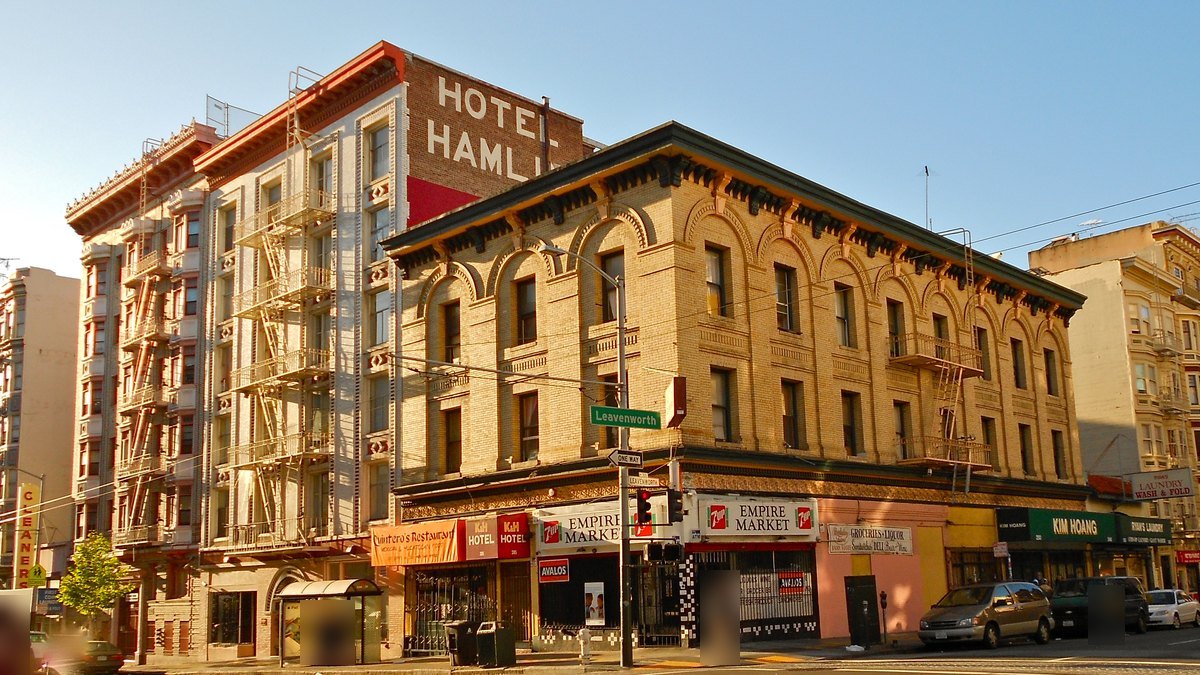
Inside the game, the action centered on the corner of Eddy and Jones streets. NBC Bay Area reported local touches such as Waymos and e-scooters, and one promotional screen invited players to “meet the locals” over an image of a hunched figure.
That figure was among the details critics objected to. One enemy, called “the Folded,” was linked by the Chronicle to the “fentanyl fold,” a bent-over posture associated with opioid use. Another was a Black security guard. Biojout told the Chronicle the game also included tech workers.
Ads from $100 a week
The October 13 post also mentioned money: Biojout said he had already made $300 from in-game ads, PC Gamer reported.
NanoCorp sold those ads, with billboards starting at $100 a week and a “sponsor blimp” at $3,200 a week, the Chronicle reported on October 15. He later put the total at more than $300, a figure the reports did not independently confirm.
Criticism from City Hall and the neighborhood
For advocates, the money was part of the problem. Jennifer Friedenbach, executive director of the Coalition on Homelessness, told the Chronicle that Biojout was “monetizing the dehumanization and pretend killing for fun of mostly Black and Brown residents of the poorest neighborhood in San Francisco.”
City leaders were just as critical. Supervisor Bilal Mahmood, who represents the Tenderloin, condemned the game in the Chronicle’s October 15 report, saying it turned violence against real people into entertainment. Mayor Daniel Lurie called the game horrific, NBC Bay Area reported, and a spokesperson for the city attorney’s office described it as “abhorrent,” according to a later Chronicle report.
The reaction on the ground was no softer. “It’s vile. It’s not representative of the Tenderloin,” Jared Stearns of the Tenderloin Museum told ABC7.
At first, Biojout pushed back. He told the Chronicle the game was a fictional zombie shooter, inspired by an Alcatraz map in Call of Duty, and that it did not single out homeless people.
He gave NBC Bay Area a similar answer, saying the game “was not intended to depict shooting real people or to target a particular demographic or group,” and that it drew on what he saw on his daily commute through the Tenderloin.
Taken offline on October 16
That defense did not last. On the afternoon of Friday, October 16, a day after the Chronicle’s first report, Biojout took the game down and said the setting and the way he promoted it “showed poor judgment.”
According to his statement, he also removed his promotional posts, refunded all advertisers and made a personal donation equal to the game’s total revenue to treatment and recovery services run by Delancey Street, a San Francisco nonprofit.
NanoCorp’s homepage did not mention Tenderloin Night Shift when reviewed on October 25. The reports reviewed for this article do not establish whether the game will return.
The neighborhood itself has changed, according to Rene Colorado, executive director of the Tenderloin Merchant and Property Owner’s Association, who told ABC7 the streets have improved. “They are cleaner, but there are still a lot of folks suffering from mental illness, suffering from addiction,” he said.
