
How Well Did Roblox, Steam, Fortnite and Minecraft Protect Kids? eSafety Reports Gaps

- Australia's online safety regulator has identified differences in child-safety protections across four providers behind Roblox, Minecraft, Fortnite, and Steam and Steam Chat, including gaps in Valve'…
- The eSafety Commissioner set out the findings on October 2, 2026, in a report called "Playing it safe: how online game services are (or are not) keeping kids safe online," the regulator announced.
- "Australian children have a right to play online without being exposed to predators, sexual extortionists, violent extremist content or other harmful material," eSafety Commissioner Julie Inman Grant…
Australia’s online safety regulator has identified differences in child-safety protections across four providers behind Roblox, Minecraft, Fortnite, and Steam and Steam Chat, including gaps in Valve’s detection tools.
The eSafety Commissioner set out the findings on October 2, 2026, in a report called “Playing it safe: how online game services are (or are not) keeping kids safe online,” the regulator announced. It does not fine or penalize anyone. It describes what the companies told eSafety and where the regulator sees gaps.
“Australian children have a right to play online without being exposed to predators, sexual extortionists, violent extremist content or other harmful material,” eSafety Commissioner Julie Inman Grant said.
A six-month snapshot
On April 1, 2026, eSafety sent compulsory notices to the four companies under Australia’s Basic Online Safety Expectations, according to its findings page. The notices covered October 1, 2025, to March 31, 2026.
That makes the report a picture of those six months, not necessarily of the services today. eSafety did not verify the companies’ answers, and providers may have changed their policies since, the full report notes.
eSafety chose the services for their popularity with Australian children, and says a notice does not by itself mean a company’s practices are deficient. It counts Steam as a “gaming-adjacent” service, one people use to buy games and chat, rather than a game.
Where Steam stood out
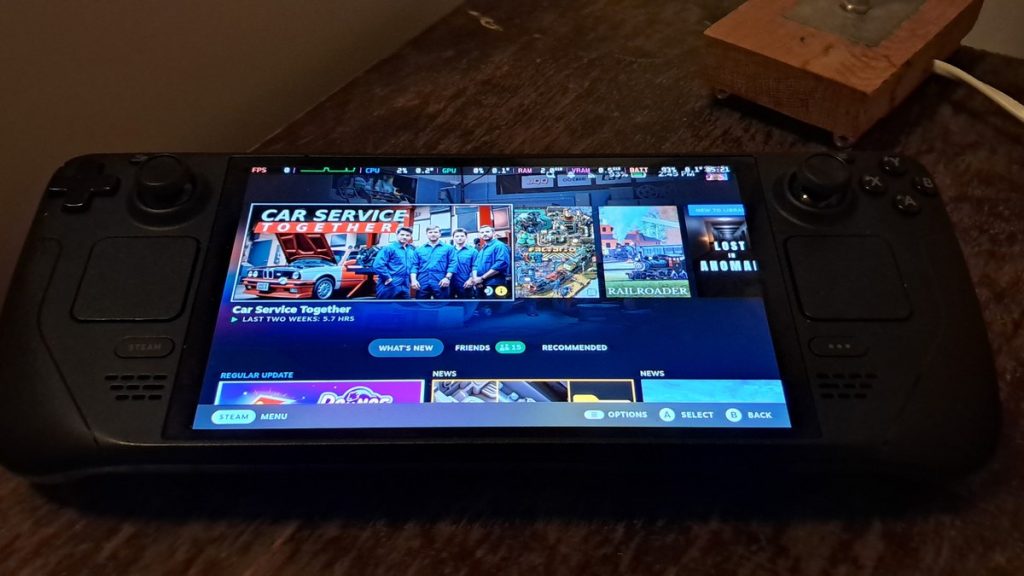
Valve was the only one of the four that did not use hash-matching on its services, eSafety found. Hash-matching works like a fingerprint check. It catches copies of material already confirmed as child sexual abuse or violent content.
Chat was another weak point. Valve did not use tools to proactively detect harms in text or voice chat on Steam Chat, including Steam Community group chats, apart from a URL detection tool that “mainly blocked scams.” eSafety said that left the chats with “limited protections.”
Valve also did not take part in industry programs for sharing intelligence about serious harms, such as the Tech Coalition’s Lantern program. It had no dedicated trust and safety staff other than content moderators and engineers.
Valve told eSafety it shares user data only when legal process requires it, saying wider sharing would breach its privacy policy, the report says. eSafety noted that some information-sharing initiatives, including Project Lantern, have explicit governance and privacy safeguards.
Age checks were thin, too. During the reporting period, Steam relied on users stating their own age and collected no other age information.
How the other three compared
Steam was not alone. The report identified both safety gaps and existing safeguards across the services.
| Service | Safeguard eSafety noted | Gap eSafety noted |
|---|---|---|
| Fortnite (Epic Games) | Reviewed every user-made “Island” before it went live | Did not share child-abuse signals through the Lantern program |
| Roblox | Detected harmful “Experiences” after publication; from December 3, 2025, limited some high-risk features to users identified as adults | Roblox reported a 51% recall rate for its Image Auto-mod tool in its assessment |
| Minecraft (Mojang Studios) | Joined several information-sharing initiatives | Self-declared adults could join third-party servers it did not proactively moderate |
| Steam and Steam Chat (Valve) | Reviewed games before publication | Relied solely on user reports for published games |
Source: eSafety key findings.
Recall measures the share of harmful items in a test set that a tool catches.
Roblox’s 51% figure came from its own test on a random sample of human-labeled images, in which human reviewers had a 68% recall rate, the report shows. It covers one image tool, not Roblox’s overall moderation performance, though eSafety said low recall can point to under-enforcement.
What has changed since March
Some of the companies have moved since the reporting period ended. From September 9, 2026, Valve began requiring Australian users to verify with a credit card before accessing R18+ games, eSafety said. The check covers R18+ games, not the whole Steam store.
The regulator is also seeking commitments from Valve to offer other kinds of age checks alongside credit cards, its announcement said.
Roblox rolled out age-based accounts and expanded parental controls in April 2026. Epic says accounts escalated for suspected grooming or other high-harm violations are now blocked from chat while the complaint is investigated, according to the report.
“While we have seen some safety improvements as a result of sustained regulatory pressure, including the recent court-enforceable undertakings we accepted from Roblox, there is still significant work to be done across the board to prevent serious harms in online gaming to children,” Inman Grant said.
A separate Roblox deal from August
The Roblox undertaking Inman Grant mentioned is a formal promise that a court can enforce, and it is separate from the October report. eSafety announced it on August 20, 2026, after raising concerns that Roblox was not meeting its obligations under the Online Safety Act’s codes and standards, the regulator said at the time.
Roblox committed to preventing adults from contacting unknown children without parental consent, making children’s accounts private by default, and telling users the outcome of their complaints. It also agreed to an independent audit of its safety measures, including age estimation, with three months to make the changes.
According to eSafety’s announcement, Roblox believes it is meeting its obligations under the Online Safety Act. If the company breaches the undertaking, eSafety can ask the Federal Court to order it to comply.
Roblox has also come up in U.S. criminal cases. An Arizona man was sentenced to 21 years after using Roblox and Discord to groom children, and men in Indiana and Pennsylvania face charges in cases involving teens they allegedly met on the platform.
Featured image: Two children play an online game on laptops. Illustrative image; not taken from the eSafety report. Photo: Serwa27 / Wikimedia Commons (CC BY-SA 4.0)
