Arizona State Students Can Win $5,000 in Scholarships by Playing 40+ Video Games

- Arizona State University students can now compete for thousands of dollars in scholarship money just by playing video games — Valorant, Counter-Strike 2, Call of Duty, EA Sports FC, and dozens more.
- The Fall 2026 ASU × UEL Combine began August 31 and offers $5,000 in scholarships to the top three finishers — $3,000 for first, $1,000 each for second and third.
- ASU Gaming Scholarships Offer $5,000 This Fall
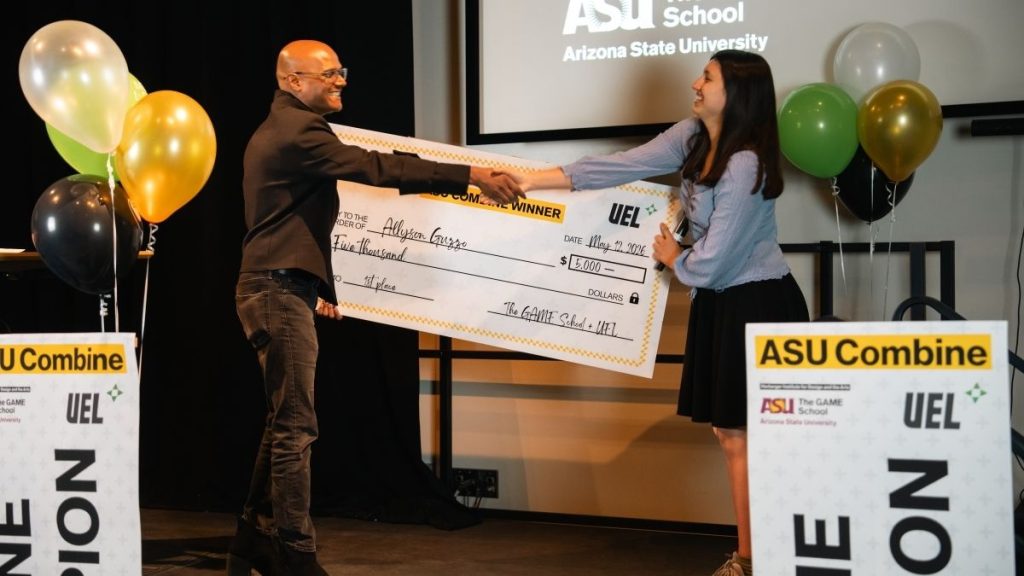
Arizona State University students can now compete for thousands of dollars in scholarship money just by playing video games — Valorant, Counter-Strike 2, Call of Duty, EA Sports FC, and dozens more. It’s one of the more unusual ASU gaming scholarships programs out there, and the pitch is refreshingly simple: play, submit your results, climb a leaderboard.
The Fall 2026 ASU × UEL Combine began August 31 and offers $5,000 in scholarships to the top three finishers — $3,000 for first, $1,000 each for second and third. It’s a partnership between ASU and the Ultimate Endgamers League(UEL), and the format breaks from a normal esports tournament on purpose. Nobody needs to master one competitive title here. Students earn points across whichever of the 40-plus supported games they want, and the highest cumulative score wins.
ASU Gaming Scholarships Offer $5,000 This Fall
The Combine is open to current ASU students in good academic standing, and awards are subject to ASU’s standard eligibility and scholarship policies. One thing worth flagging up front: it isn’t free. Joining costs $20 a month, or $40 if you’d rather pay it once and be done.
More Than 40 Video Games Are Eligible
That’s what separates the Combine from a traditional single-game esports tournament. The official Combine site currently lists more than 40 supported games spanning five categories — shooting, fighting, sports, strategy and racing — including Valorant, Counter-Strike 2, Dota 2, Call of Duty: Black Ops 7, Call of Duty: Warzone, Clash Royale, EA Sports FC 26, Mortal Kombat 1 and Apex Legends. Don’t see your game on the list? Students can request titles, and the program says it adds them once enough people show interest.
How the ASU Combine Works
Students play, then submit screenshots of their results, which get reviewed before points go on the board. Scoring runs in biweekly windows: 300 points for 1st place in an event, 250 for 2nd, 200 for 3rd, down to 10 points for finishing 6th or worse. At the end of each two-week window, those points roll into the overall Competition Leaderboard, and the clock resets.
That structure is exactly why breadth beats specialization here. Spring 2026 champion Allyson Guzzo didn’t grind one game — she played across 30 different titles spanning all five UEL categories and racked up 21,650 total points doing it. “You don’t have to be the best at any game,” Guzzo said. “You just have to be a player of them.” She won the $5,000 top prize that semester.
There Is No Final Tournament This Fall
Unlike a bracket-style esports event, there’s no championship match to circle on the calendar. Students just keep building their score for as long as the Combine runs. Once it closes, the leaderboard locks, and wherever you land is wherever you land.
Top Players Could Get Professional Opportunities
Scholarship money isn’t the only thing on the table. Standout performers may also be evaluated for potential professional contracts with the Ultimate Endgamers League — evaluated, not guaranteed, so don’t read more into it than that. UEL also frames the competition as a way for students to develop skills valued in gaming, media and technology, including teamwork, analysis, communication and leadership.
Last Semester’s Winners Split $10,000
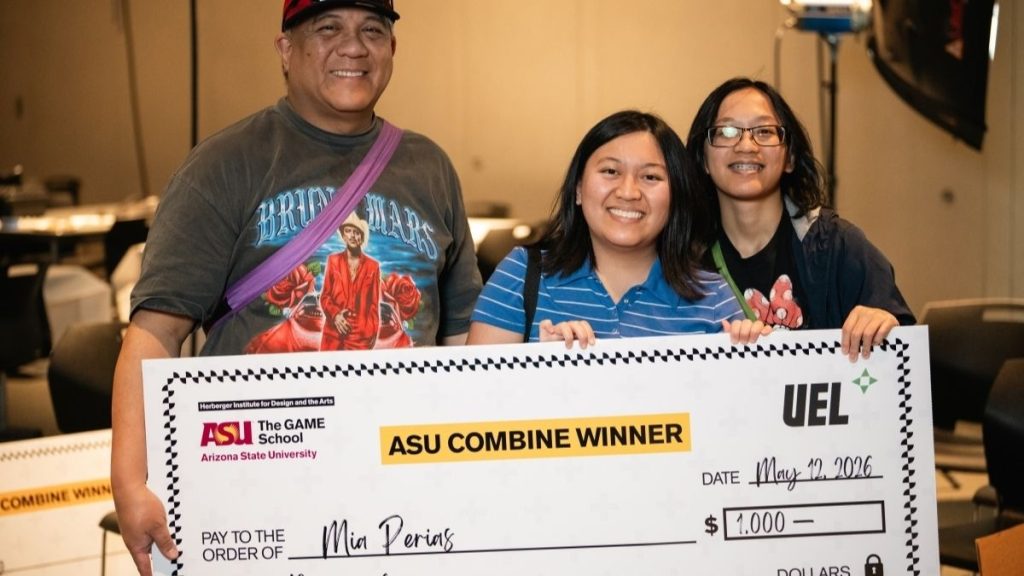
For context, Spring 2026 ran on a bigger prize pool — four winners split $10,000 between them, with Guzzo taking $5,000 for first, Phiphatphop Lee earning $3,000, and Iris Wang and Mia Perias each collecting $1,000. Guzzo studied Interdisciplinary Studies; the rest came from computer science, psychology, and media arts and sciences. Worth noting, since it undercuts the assumption that this is a game-design-majors-only thing.
Who Can Enter the ASU Combine?
Any current ASU student in good academic standing can join, and you don’t need your own gaming rig to compete. The Esports Lounge in the University Gateway Building has PCs, PlayStations and a Nintendo Switch on hand, plus access to the supported game library, for anyone without hardware of their own. It’s part of a broader wave of schools investing in gaming — the University of Sioux Falls launched its own esports program with scholarships and a dedicated gaming arena just this fall.
The ASU Combine takes a different approach from varsity-style esports teams built around specific competitive titles. Instead, it’s rewarding students who can perform across a much wider range of games. The Fall 2026 competition began August 31 and is open now, with the top three competitors sharing $5,000 in scholarship funds.