
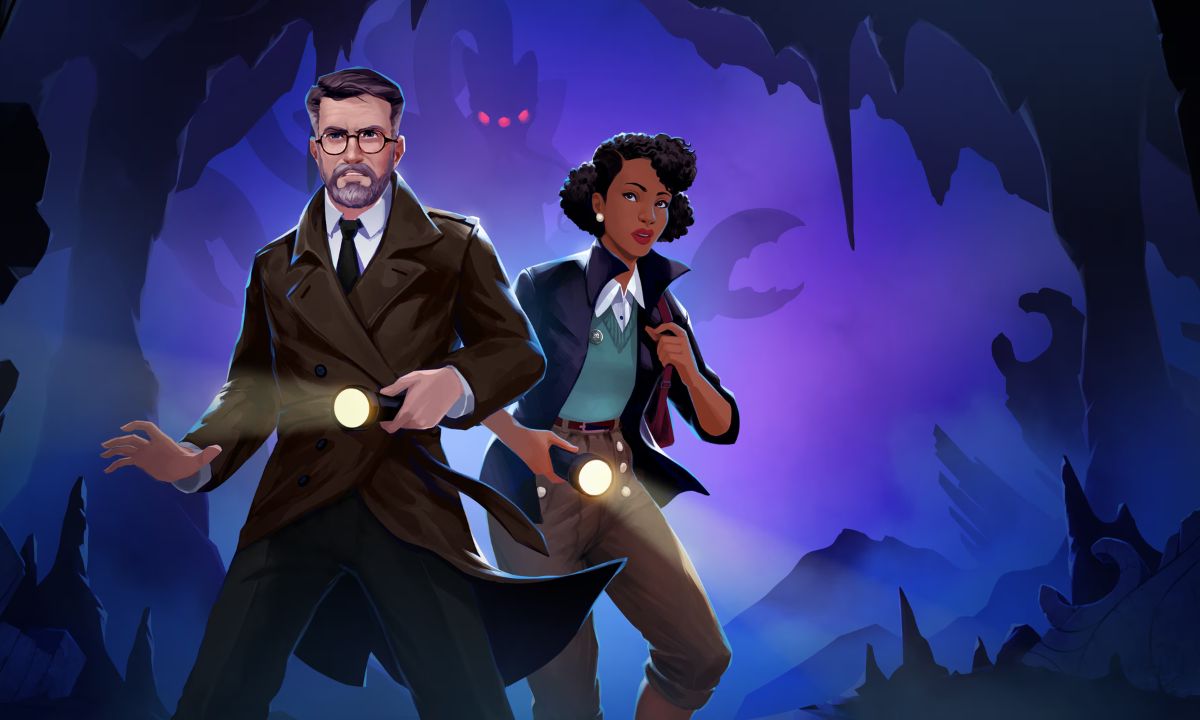
There is a difference between a sequel that exists because the first game found an audience and a sequel that actually seems to know why that audience showed up in the first place. Call of the Elder Gods looks much closer to the second kind. Out of the Blue Games’ follow-up to Call of the Sea is now set to launch on May 12, 2026 for PC, PlayStation 5, Xbox Series X|S, and Nintendo Switch 2, with an Xbox Game Pass release confirmed as well.
A familiar universe, but not a recycled setup
What makes the announcement more interesting than a standard release-date drop is that the new game is being sold as a true sequel, not a vague spiritual successor wearing the previous title’s goodwill like a costume. Official store descriptions frame Call of the Elder Gods as a Lovecraftian narrative puzzle adventure and a sequel to 2020’s Call of the Sea, while recent coverage points to a story set decades after the first game. That alone gives it more weight than the average mystery game reveal, because it suggests the studio is trying to build on an established world rather than simply repeat its old atmosphere with a new coat of paint.
Harry and Evangeline move the story into darker territory
This time the story follows Harry Everhart and Evangeline Drayton, two characters pulled into an investigation involving missing loved ones, disturbing visions, and forces well outside human understanding. The official pitch says the game is inspired by H. P. Lovecraft’s “The Shadow out of Time” and leans into themes of grief, family, and sanity, which is a better sign than the usual empty “ancient evil awakens” nonsense that infects so many horror-adjacent announcements. It suggests a story trying to work as drama first and cosmic dread second, which is exactly the balance a game like this needs.
The real selling point is that it still seems to trust puzzles
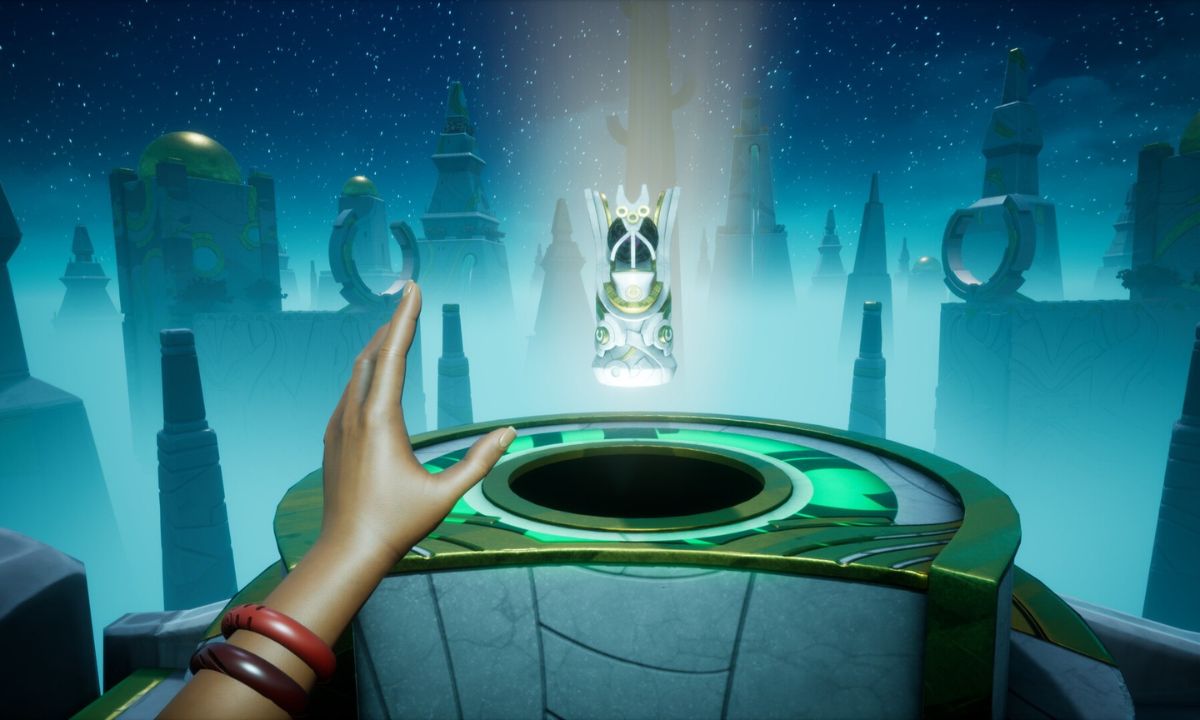
This is the part that matters most for readers deciding whether to care. Call of the Elder Gods is not being positioned as a combat-heavy horror game or an action pivot. The game is described across official listings and recent hands-on coverage as a first-person adventure built around exploration, clue-finding, observation, and puzzle-solving. That should be stated plainly because too much coverage around Lovecraft-inspired games gets lazy and starts selling mood instead of mechanics. Here, the mechanics still look central.
A bigger journey does not have to mean a noisier one
One reason the sequel stands out is scope. Official descriptions say the mystery will carry players from New England libraries to the Australian outback, through frozen wastelands and stranger locations beyond normal reality. That is far broader than the more contained feel of Call of the Sea, and it could easily have gone wrong if the studio had mistaken “bigger” for “louder.” So far, though, the material points to expansion without abandonment: a larger canvas, but still in service of atmosphere, tension, and discovery rather than spectacle for its own sake.
Two playable leads could be the smartest change
The most promising design shift may be the game’s dual-protagonist structure. Coverage from Game Informer says players will control Harry and Evangeline separately, with some sequences allowing them to swap between the two. That is the kind of change that can actually deepen a puzzle adventure instead of merely dressing it up. Two perspectives give the developers more room to vary puzzle logic, build narrative contrast, and stop the experience from flattening into one long internal monologue with doors.
The early confidence test is already out in the open
There is also a playable demo on Steam, Call of the Elder Gods: The First Chapter, which is a more useful indicator than another glossy trailer montage. A studio willing to put the opening of a puzzle game in front of players early is at least signaling that it expects the writing, pacing, and design to survive real scrutiny. That does not guarantee the full game will deliver, but it is still a better sign than marketing that keeps everything locked behind mood shots and cinematic cuts.
Why this one deserves more attention than a routine sequel announcement
The easiest mistake with a game like this is to treat it like another niche release for puzzle-adventure diehards and move on. That would miss the point. Call of the Sea earned attention because it trusted mood, writing, and player curiosity at a time when too many narrative games were overexplaining themselves. Call of the Elder Gods looks like it understands that legacy. The May 12 release date matters, but the more important takeaway is that the sequel still appears committed to being deliberate, eerie, and intelligent rather than chasing a broader audience by sanding off its edges.